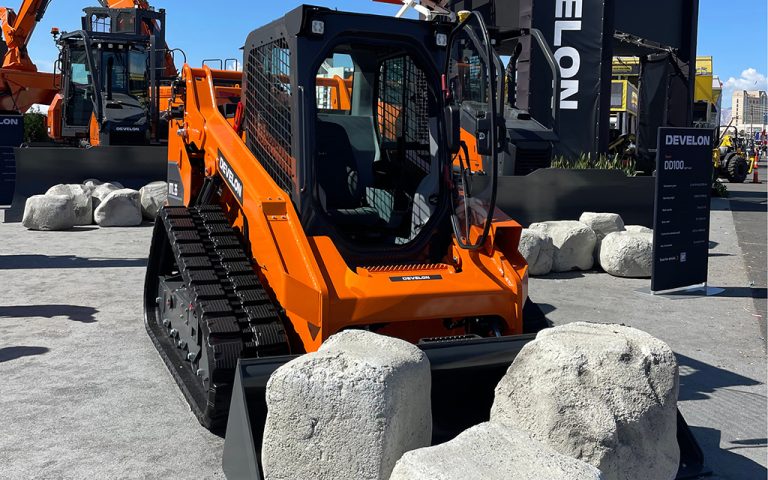
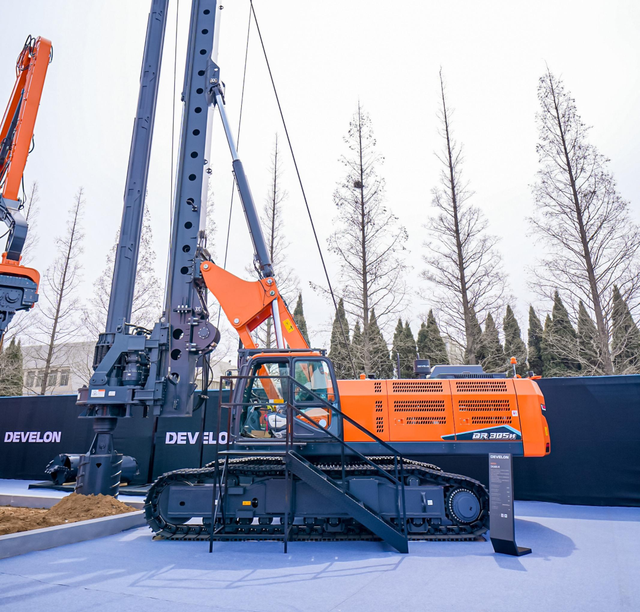
Machine Stable is an authorized distributor of the DEVELON brand under HD Hyundai.


Excavators are essential equipment on construction sites, and proper maintenance is crucial for long-term efficiency. Many operators understand the importance of maintenance but often fail to follow the correct schedule, which can lead to equipment failures or reduced productivity. This guide shares best practices for diesel and coolant maintenance, helping you extend the life of your excavator and keep it in optimal condition.
Diesel, Hydraulic Oil, and Gear Oil Maintenance
1. Diesel degradation under high temperature and pressure
Construction environments are complex, and high temperatures and heavy loads accelerate diesel and hydraulic oil deterioration. Even if diesel looks clean, it must be replaced on schedule, as recommended in Hydraulic Oil Replacement for Excavator.
2. Prevent contaminants from entering the fuel system
Diesel is the primary fuel for excavators. Water, dust, or metal particles entering the system can reduce combustion efficiency or damage the injection system. Following the Excavator Engine Oil Change Interval ensures system reliability.
3. Do not mix different diesel types
Mixing diesel with different brands or grades may reduce engine performance, increase wear, and cause abnormal emissions.
4. Precise fuel quantity
Overfilling or underfilling diesel can affect engine operation. Always add the specified amount.
5. Diesel filter maintenance
Each time you add new diesel, check and replace the diesel filter to keep the fuel system clean, in line with Excavator Oil Filter Replacement standards.
Diesel maintenance tips
Check diesel quality regularly
Replace filters on schedule
Avoid mixing different diesel brands
Ensure precise fuel quantity
Keep fuel lines leak-free
Coolant Maintenance
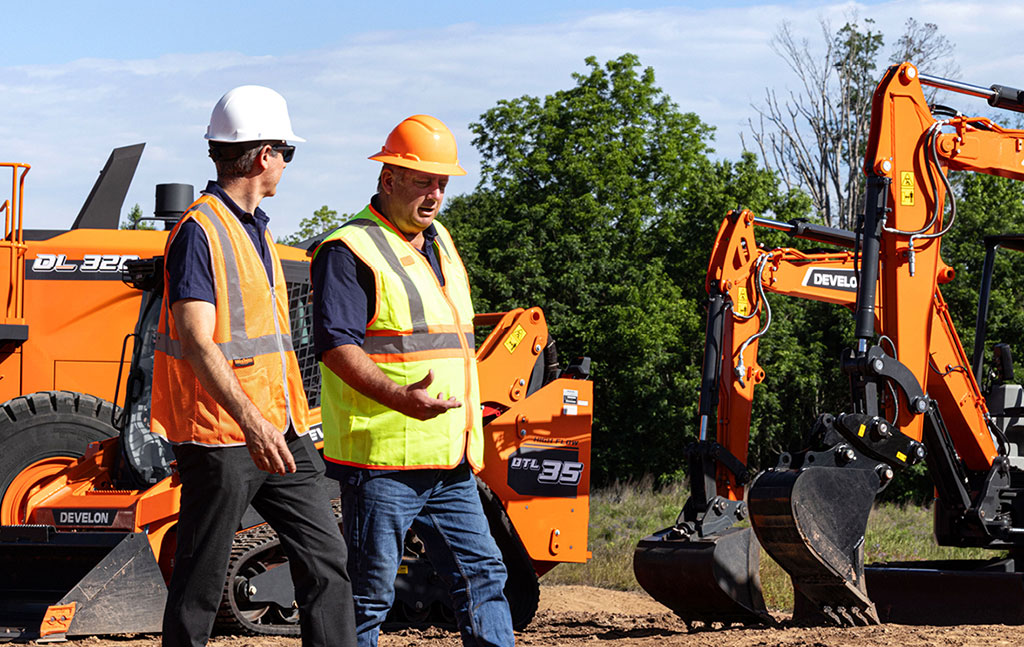
Excavators can overheat during prolonged operation, and coolant protects the engine from high temperatures and freezing.
1. Avoid river or hard water
River water or water with impurities can cause scale inside the engine and radiator, reducing heat exchange efficiency and causing overheating.
2. OEM coolant advantages
New machines usually come with original manufacturer coolant, effective for 4000 hours or two years. Following Excavator Coolant Check Tips ensures long-term system efficiency, even in high-temperature environments.
3. Safety precautions
Coolant is flammable; always keep it away from heat or sparks.
4. Coolant ratio
Adjust the coolant-to-water ratio based on ambient temperature to maintain engine operation in both high and low temperatures.
5. Filling method
Add coolant only after the engine has cooled to prevent damage from thermal expansion or contraction.
6. Risks of low coolant
Insufficient coolant can cause engine overheating, and air entering the system may accelerate corrosion.
Coolant maintenance table
| Item | Inspection Interval | Notes |
|---|---|---|
| Coolant replacement | 4000 hours / 2 years | Use original OEM coolant, do not mix water |
| Coolant level | Before daily operation | Keep between minimum and maximum marks |
| Scale cleaning | Every 6 months or as needed | Avoid using river water; flush with clean water |
Wear Parts Maintenance
Critical components such as low-pressure return hoses, high-pressure hoses, and rubber water pipes are listed in the Wear Parts List for Excavator.
1. Regular replacement
Wear parts age, wear, and deform over time. Failure to replace them can cause diesel or hydraulic oil leaks, increasing accident risks.
2. Safety inspection
Regularly checking for leaks in low- and high-pressure systems is a key step in How to Prevent Excavator Malfunction.
Wear parts inspection process
Inspect all hoses and pipes monthly
Check rubber water pipes for cracks or wear
Replace worn parts as needed
Record each inspection and replacement
Daily Maintenance Tips
Following Excavator Maintenance Tips helps extend equipment life:
Regularly inspect the engine, hydraulic, and coolant systems
Avoid prolonged overload operation
Use OEM or recommended parts
Keep detailed maintenance records
Second-hand Excavator Maintenance
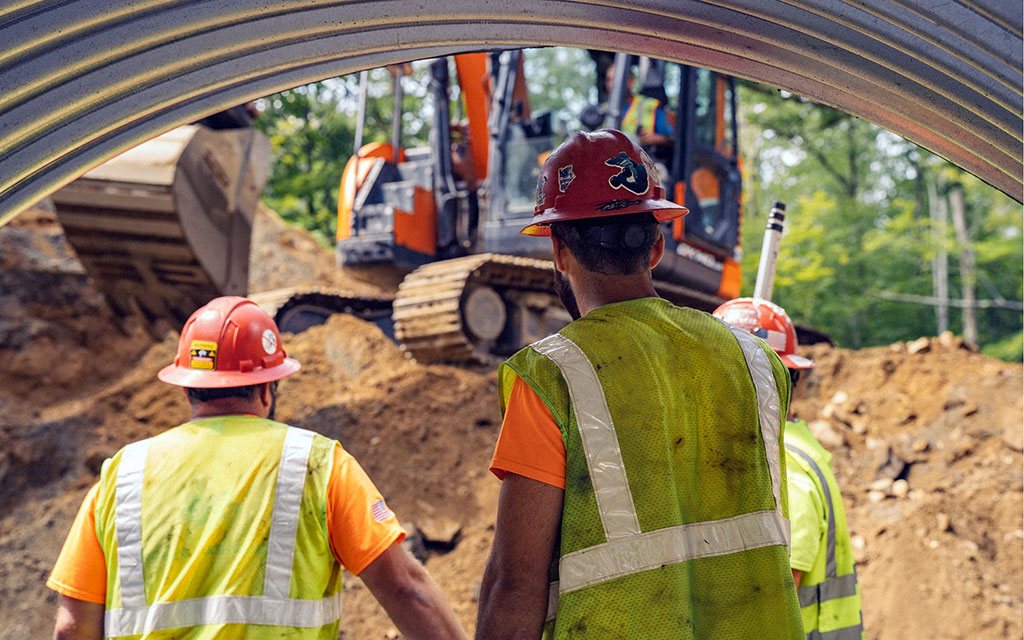
Used excavators may have significant wear, requiring extra attention. Second-hand Excavator Maintenance Guide recommends:
Strictly follow the maintenance schedule
Shorten wear part replacement intervals
Inspect diesel and coolant for contamination
Keep detailed maintenance records for traceability
Customer Case (USA)
A construction company in Texas used second-hand excavators for highway construction. By following the Second-hand Excavator Maintenance Guide, they reduced annual failure rates by 30% and increased productivity by 20%. The technical team inspects diesel, coolant, and wear parts monthly and maintains detailed records to ensure smooth project completion.
Importance of Regular Maintenance
Regular maintenance reduces failures and improves efficiency. The Importance of Regular Excavator Maintenance cannot be overstated.
Maintenance effect comparison table
| Maintenance Frequency | Failure Rate | Operational Efficiency | Maintenance Cost |
|---|---|---|---|
| Regular maintenance | Low | High | Moderate |
| Delayed maintenance | High | Low | High |
Conclusion
Diesel refueling, diesel filter maintenance, coolant checks, wear parts replacement, and proper daily operation are critical to ensuring excavator reliability. Delays or negligence increase failures and safety risks. Following the Excavator Maintenance Schedule and best practices ensures long-term stability and improves construction efficiency.