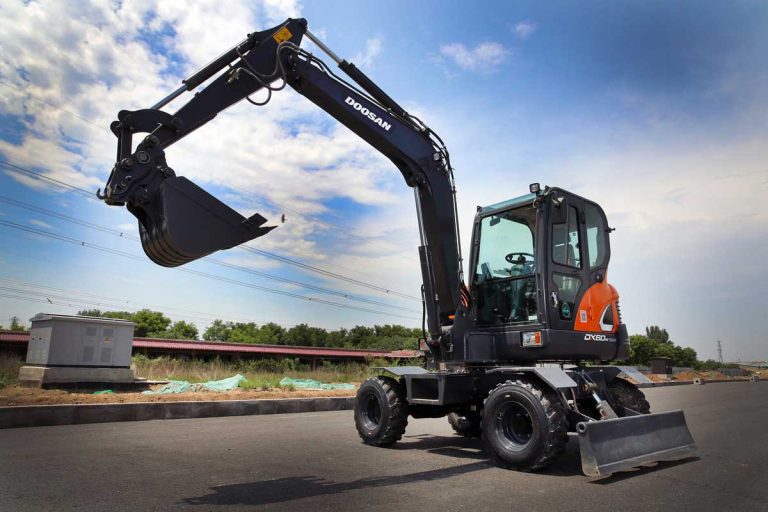
Machine Stable specializes in complete excavators, loaders and their attachments.













Loader Hydraulic Oil Running Hot? Here’s What to Do
In modern construction, mining, and logistics operations, loaders are critical equipment for heavy-duty tasks. The stability of their hydraulic systems directly affects operational efficiency and equipment lifespan. Hydraulic oil, often called the “blood” of the system, plays a key role in maintaining proper function. Excessive hydraulic oil temperature not only reduces system efficiency but also accelerates wear on hydraulic components and can even cause severe system damage.

High hydraulic oil temperature is like a high fever in the human body: it affects the entire system. Prevention and timely maintenance are far more cost-effective than post-failure repairs.
In skid loaders, choosing and using the correct skid loader hydraulic oil is the first step in keeping hydraulic system temperatures stable. Using low-quality or improper viscosity oil can easily lead to overheating. This article will analyze the causes of high hydraulic oil temperature, solutions, and maintenance procedures, and it includes a real customer case study from overseas.
1. The Dangers of High Hydraulic Oil Temperature
High hydraulic oil temperature can have multiple negative effects:
- Oil performance degradation: High temperature lowers viscosity, reduces lubrication, and increases friction, accelerating wear.
- Increased system leakage: Seals and O-rings may degrade, reducing system efficiency.
- Component wear: Pumps, valves, and cylinders experience accelerated wear.
- Reduced operational efficiency: Slower actuator response and unstable operation.
- Safety risks: Extreme cases may cause hydraulic failure or accidents.
Effects of High Hydraulic Oil Temperature
| Effect Area | Specific Issue | Solution |
|---|---|---|
| Oil Performance | Viscosity loss, accelerated oxidation | Use hydraulic oil meeting the proper viscosity grade |
| System Leakage | Seal degradation, leaks | Regularly inspect and replace seals |
| Component Life | Pump and valve wear | Monitor temperature and perform regular maintenance |
| Operational Efficiency | Slow response | Check oil temperature and system pressure |
| Safety Risk | System failure, accidents | Install oil temperature alarms and coolers |
Using hydraulic oil for loader in high-temperature environments can help maintain proper viscosity and lubrication, reducing the risk of overheating.

2. Seven Main Causes of High Hydraulic Oil Temperature
1. Incorrect Hydraulic Oil Viscosity
The wrong oil viscosity directly impacts hydraulic system temperature. Low or high viscosity increases pump load and system friction, raising oil temperature. In compact track loaders, using the proper compact track loader hydraulic oil can reduce pump load and maintain oil temperature. Factors to consider include:
- Ambient operating temperature
- Workload and duty cycle
- Manufacturer’s recommended specifications
Correct oil selection reduces temperature and extends the life of hydraulic components.
2. Improper System Pressure Adjustment
Overpressure in the system prevents the relief valve from operating correctly, increasing return oil resistance and generating friction heat. Key checks include:
- Ensuring skid loader hydraulic oil cap is installed properly to prevent leakage
- Ensuring skid loader hydraulic oil vent cap is unobstructed for proper tank ventilation
Regularly adjusting the relief and backpressure valves is essential to control oil temperature.
3. Internal Leakage
Internal leakage converts lost energy into heat, raising oil temperature. Older machines with worn pumps and valves are particularly susceptible. Regularly inspecting the skid loader hydraulic oil cap assembly ensures components are properly installed and minimizes internal leakage.
4. Hydraulic Pump Air Ingress
Air entering the hydraulic pump causes cavitation and hydraulic shock, accompanied by vibration and noise, rapidly increasing oil temperature. Maintenance tips include:
- Ensuring skid loader hydraulic oil supply lines are unobstructed
- Cleaning intake filters and ensuring hose connections are sealed
Proper pump and piping maintenance reduces air ingress and overheating.
5. Worn Hydraulic Components
Severe wear in pumps, valves, and cylinders increases internal leakage, forming a vicious cycle that raises oil temperature further. Extended high-temperature operation accelerates viscosity loss. Use high-quality hydraulic oil for loader and perform regular oil changes to prevent overheating.
6. Poor Cooling
Oil temperature largely depends on cooling efficiency. Clogged or dirty coolers reduce heat dissipation. Installing or inspecting a loader hydraulic oil cooler and keeping the surface clean is essential for temperature control.
7. Overly Tight Hydraulic Components
Tight components increase friction, causing oil temperature to rise. Proper gap adjustment and ensuring smooth oil flow are necessary to lower system temperature.
3. Customer Case Study
Location: Ontario, Canada
A construction company operating a skid loader for material handling experienced chronic high hydraulic oil temperature, causing sluggish actuator response and pump noise. Inspection revealed:
- Low-viscosity generic oil instead of skid loader hydraulic oil
- Partially blocked skid loader hydraulic oil vent cap
- Air ingress in the hydraulic pump causing cavitation
Solution:
- Replaced oil with recommended compact track loader hydraulic oil
- Cleaned and replaced skid loader hydraulic oil cap assembly and vent cap
- Installed loader hydraulic oil cooler and implemented regular oil temperature monitoring
Results: Oil temperature dropped by ~15°C, hydraulic system stability improved, operational efficiency increased by 20%, and pump noise disappeared. The client was highly satisfied.
This case highlights the importance of proper oil selection, component maintenance, and cooling management to prevent hydraulic oil overheating.

4. Operation and Maintenance Guidelines
1. Changing Hydraulic Oil
Follow standardized procedures:
- Shut down the machine and release system pressure
- Drain old oil completely
- Clean the tank and filter
- Fill with hydraulic oil for loader meeting the recommended viscosity
- Check oil level and purge air
Refer to change hydraulic oil on tractor loader or how to change hydraulic oil on tractor loader for detailed steps to ensure safety and oil quality.
2. Regular Component Inspection
- Check skid loader hydraulic oil cap and skid loader hydraulic oil vent cap for damage
- Ensure skid loader hydraulic oil cap assembly is correctly installed
- Inspect filters, hoses, and pumps for leaks or wear
3. Cooling System Maintenance
Install loader hydraulic oil cooler and keep it clean to lower oil temperature and extend component life.
4. Temperature Monitoring
Use real-time monitoring devices to track oil temperature during operations, preventing overheating and potential system damage.
5. Summary and Recommendations
- Proper Oil Selection: Use manufacturer-recommended oil, such as compact track loader hydraulic oil
- Regular Maintenance: Inspect oil tank, pump, valves, and seals
- Cooling Efficiency: Clean and use loader hydraulic oil cooler
- Standardized Operation: Follow how to change hydraulic oil on tractor loader procedures
Scientific oil selection, regular maintenance, temperature monitoring, and correct operation prevent high hydraulic oil temperature, extend component life, and improve loader efficiency.