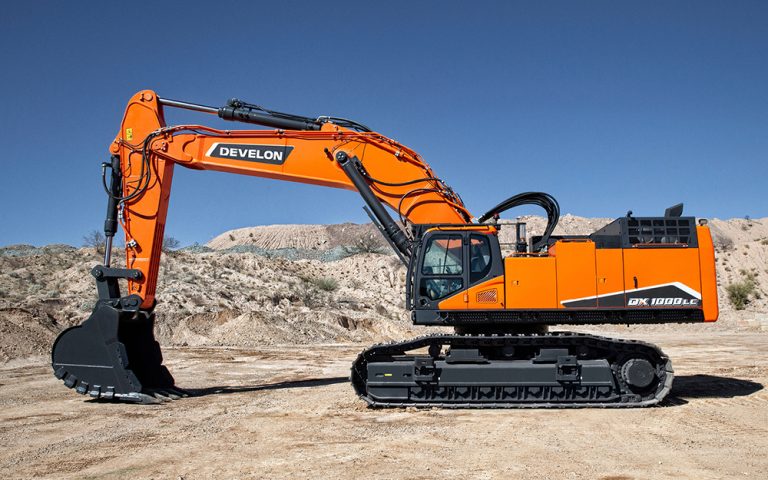
Machine Stable specializes in complete excavators, loaders and their attachments.













Strategies for Tunnel Excavation in Challenging South American Terrain
Excavating Long Tunnels in South America: Practical Field Insights
Working in South America’s tunnels, especially across the Andes, brings unique challenges. The combination of high altitude, rugged terrain, and unpredictable geology means that success depends on experience, careful planning, and the right machinery. In this guide, I’ll share practical lessons from the field, focusing on machinery, workflow, and real-world efficiency.
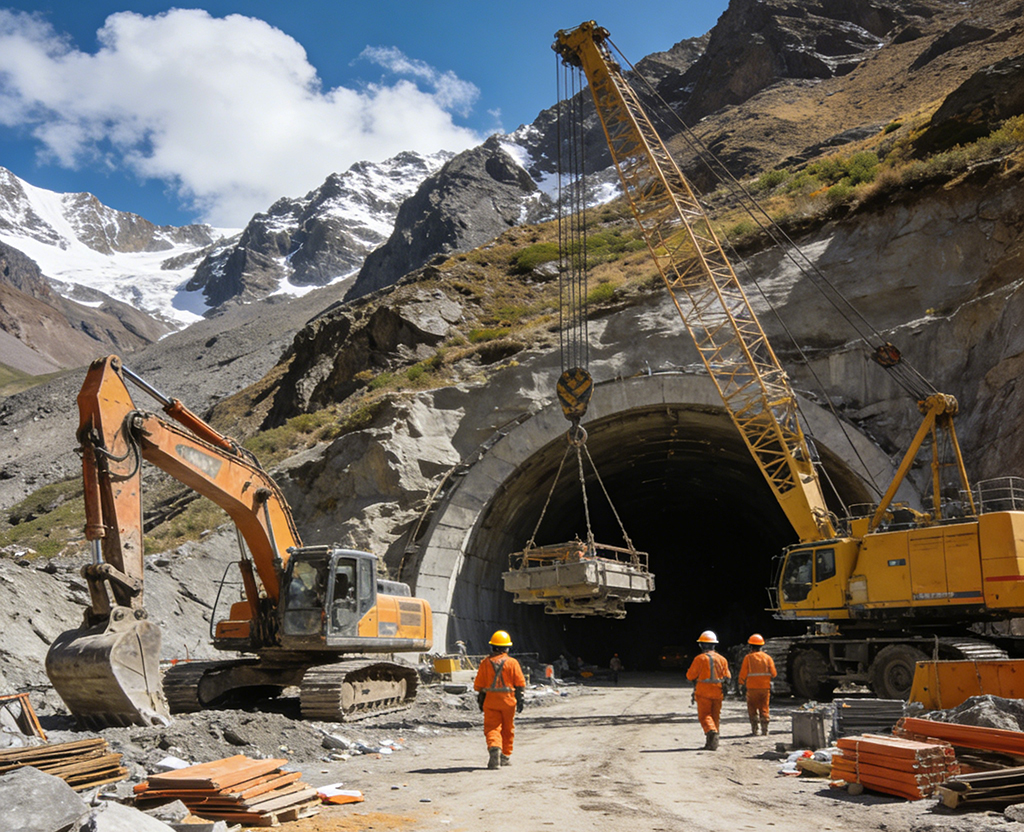
Facing South American Tunnel Challenges
High-altitude tunnels often sit above 3,000 meters. This affects both people and machines:
- Workers tire faster, and engines lose up to 15% of power.
- The Andes’ rock formations vary from solid granite to fractured shale and fault zones.
- Rainy seasons bring unexpected groundwater inflows.
From experience: We schedule worker acclimatization and machinery checks. These small adjustments improved daily excavation rates by over 10% in one project.
Choosing the Right Machinery
In my projects, Tunnel Earthmoving Equipment proved essential. It allows precise excavation even when rock hardness changes suddenly.
We usually deploy machinery in groups:
- Excavation machines for cutting rock or soil.
- Loaders to move spoil quickly.
- Support handlers to install steel and concrete segments immediately.
On a recent 500-meter tunnel stretch, daily progress reached 7.2 meters, faster than expected.
A practical workflow looks like this:
- Survey and mark the excavation face.
- Set up earthmoving equipment and calibrate cutter heads.
- Excavate small sections and use the Underground Construction Loader to clear debris.
- Install preliminary supports with Underground Heavy Material Handler.
- Continue full-segment excavation and lining with Tunnel Concrete Handling Machinery.
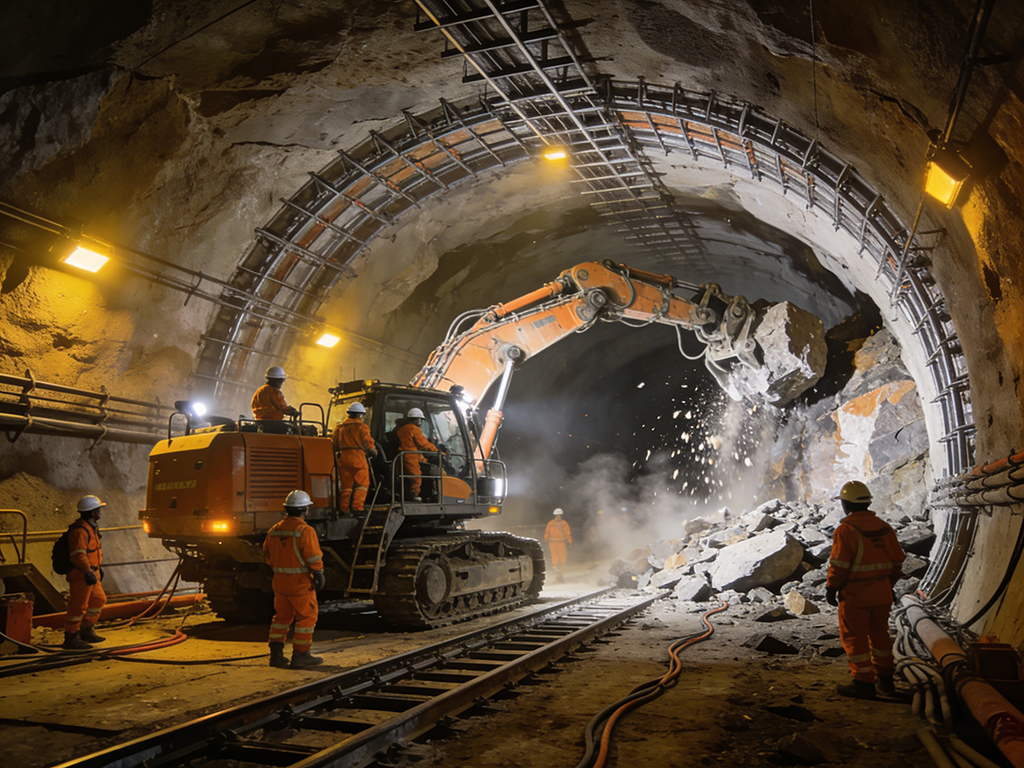
Moving Material Underground
Underground Construction Loader is a lifesaver in tight tunnels. It moves soil and rock efficiently while keeping emissions low.
Instead of long lists, here’s what we typically observe:
- The loader navigates tight corners better than wheeled trucks.
- It keeps spoil moving without slowing the excavation.
- On curved sections, efficiency increased by roughly 30% compared to traditional loaders.
Comparison Snapshot:
| Task | Traditional Approach | Loader-Based Solution |
|---|---|---|
| Soil/Rock Removal | Manual/Small Loader | Underground Construction Loader |
| Efficiency | Medium | High |
| Mobility | Low | Excellent |
Internal Transport with Wheeled Machinery
Once spoil is loaded, Wheeled Transport Machinery moves it efficiently inside the tunnel. Routes are carefully planned to avoid congestion and ventilation issues.
- Short trips of 50–80 meters per cycle maximize throughput.
- Internal transport works best when synchronized with excavation pace.
In one 1 km section, internal transport efficiency improved by over 20% using this coordinated method.
External Transport: High-Capacity Material Vehicles
Outside the tunnel, especially on steep slopes, High-Capacity Material Transport Vehicle moves bulk material effectively.
- Each vehicle carries 20–30 m³ per trip, reducing total runs.
- Tire-based transport prevents road erosion.
- Consolidating loads minimizes dust and labor.
Transport Comparison:
| Vehicle Type | Load per Trip | Efficiency |
|---|---|---|
| Traditional Truck | 10–15 m³ | Medium |
| High-Capacity Transport Vehicle | 20–30 m³ | High |
Handling Concrete Underground
High-altitude conditions affect curing and concrete strength. Tunnel Concrete Handling Machinery makes this process reliable:
- Rapid-setting mixes are transported with automated systems.
- Segments are poured and cured quickly.
- On a 150-meter lining, completion was 12 days versus 16 planned.
Concrete Handling Highlights:
- Reduced human error
- Faster lining cycles
- Maintains high-quality standards
Installing Supports
The Underground Heavy Material Handler handles steel supports and large components. Proper coordination is key:
- Place supports immediately behind the excavation face.
- Secure anchors and pre-fabricated segments carefully.
- Verify alignment before moving forward.
Lesson learned: Installing supports as you go prevents collapse in stressed rock zones.
Multi-Functional and Automated Machinery
Using Multi-Functional Construction Machinery, we can combine multiple tasks like leveling, loading, and transport in a single cycle.
- Productivity rises ~40%
- Fewer machines are needed, reducing labor and fuel costs
- When paired with Earthwork Transport Automation, transport scheduling becomes seamless
Automation allows us to monitor progress, adjust transport routes, and respond to delays immediately.
Integrated Material Transport
Tunnel Material Transport Machinery connects internal and external logistics. Synchronizing loaders with high-capacity transport vehicles minimizes wait times.
- Coordination reduced downtime by 30% in our last project.
- Continuous monitoring ensures daily tunnel advance is maximized.
Lessons Learned
From experience in South American tunnels:
- Always conduct thorough geological surveys including faults and groundwater.
- Choose machinery suited for altitude and variable geology.
- Combine manual and automated workflows for efficiency.
- Install supports concurrently with excavation.
- Track performance daily and adjust plans dynamically.
Comparison:
| Aspect | Traditional | Optimized |
|---|---|---|
| Excavation Efficiency | Medium | High |
| Transport Scheduling | Manual | Automated |
| Support Installation | Delayed | Concurrent |
| Equipment Idle Time | High | Low |
| Safety | Medium | Reduced |
FAQ
Q1: Which machines are essential for high-altitude tunnels?
A1: Tunnel Earthmoving Equipment, Underground Construction Loader, Wheeled Transport Machinery, High-Capacity Material Transport Vehicle, Tunnel Concrete Handling Machinery, Underground Heavy Material Handler, Multi-Functional Construction Machinery, Earthwork Transport Automation, Underground Support Equipment, Tunnel Material Transport Machinery.
Q2: How to ensure concrete quality?
A2: Rapid-setting mixes, automated batching, and proper curing guarantee design strength in 48 hours.
Q3: How to improve internal transport?
A3: Coordination between Wheeled Transport Machinery and Earthwork Transport Automation optimizes routes.
Q4: Benefits of multi-functional machines?
A4: They perform multiple tasks in one cycle, reducing idle time by ~40%.
Q5: How to synchronize support installation?
A5: Use Underground Support Equipment concurrently with excavation to maintain rock stability.