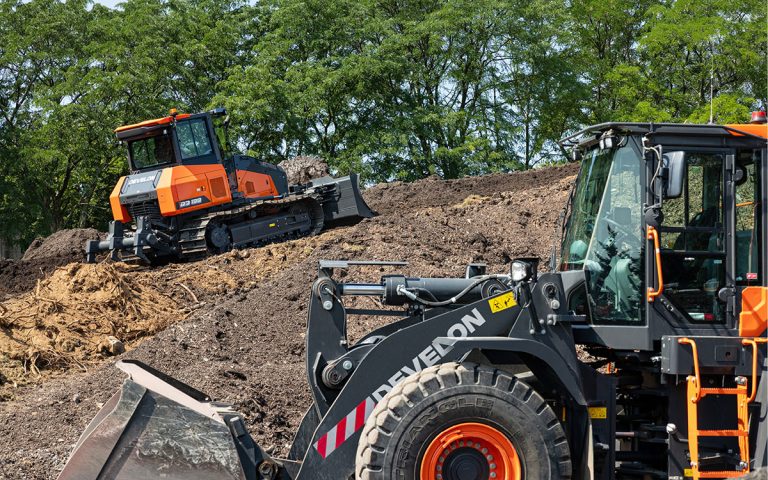
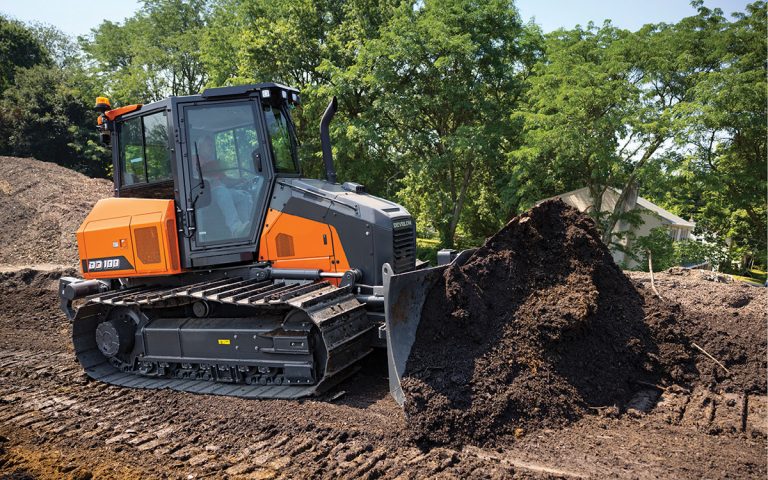
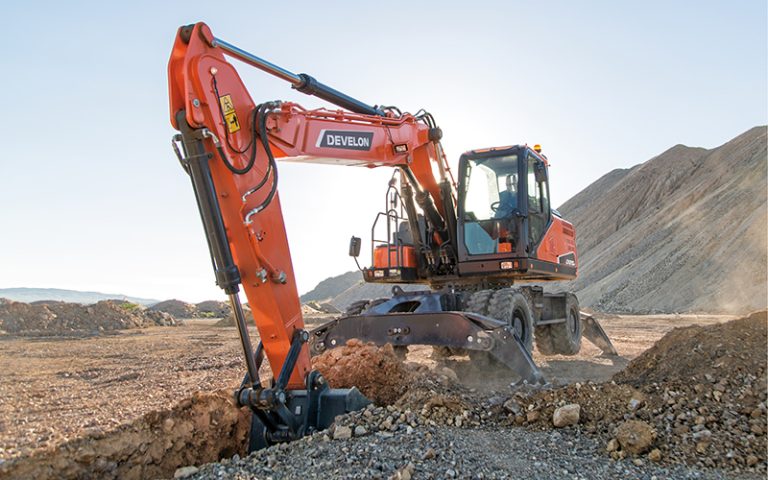
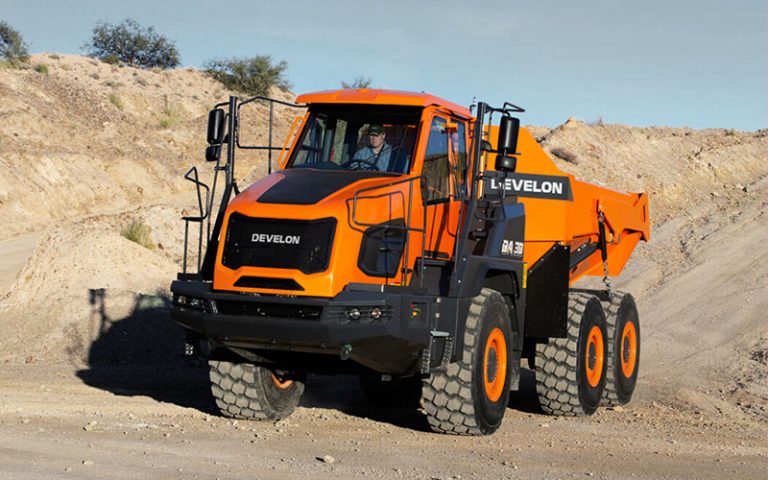
Machine Stable is an authorized distributor of the DEVELON brand under HD Hyundai.


Want to Save Money? Step-by-Step Guide to Replacing Hydraulic Breaker Seals (Field-Proven & Cost-Focused)
On construction sites, hydraulic breakers operate under high load, high impact, and high wear conditions. Whether in earthworks, demolition, or foundation construction, seal aging, oil leakage, and reduced impact energy are common issues once utilization increases. Many project managers immediately choose factory repair or full assembly replacement. In reality, this is often the most expensive and least efficient option.
Based on my long-term field experience across multiple projects, for equipment such as backhoe hydraulic breaker units, following a standardized seal replacement procedure can usually restore performance while reducing maintenance costs by 30%–60%, without affecting project schedules and while significantly extending service life.
1. Why Seal Replacement Is the Most Cost-Effective Maintenance Strategy
From an engineering management perspective, the goal of breaker maintenance is not simply to “fix it,” but to restore stable performance at the lowest total lifecycle cost. Many users assume that oil leakage automatically means cylinder or piston failure. Field data shows this assumption is often incorrect.
Across multiple hydraulic breaker rock hammers that I have serviced, failure causes typically break down as follows:
- Seal aging or deformation: over 50%
- Dust seal failure: approximately 25%
- Severe piston or cylinder wear: less than 25%
This means that in most cases, replacing seals and related sealing components is sufficient to recover normal impact performance, without the high cost of full assembly replacement.
2. Pre-Disassembly Preparation and Safety Control
Before any disassembly, safety and standardization are the top priorities. Any work involving cylinder separation must follow proper preparation procedures. These standards also apply to hydraulic breaker excavators during routine maintenance.
Standard preparation steps include:
- Fully releasing nitrogen pressure
- Cleaning external dirt, dust, and concrete residue
- Preparing correct seal kits and dedicated tools
- Planning disassembly sequence to avoid cross-interference
From experience, most accidents and repeat failures are not due to technical difficulty, but due to poor preparation that leads to damaged seals, distorted components, or safety hazards.
3. Step One: Removing the Housing and Side Plates
Housing removal may appear simple, but it is also where many technicians overlook critical details. For all hydraulic breaker attachments, the following best practices apply:
Standard procedure:
- Remove the four side plates
- Inspect bolts for dirt, corrosion, or debris
- Pre-soak with waste oil or diesel if heavily contaminated
- Avoid excessive impact tools that may damage threads
From an engineering standpoint, this area is constantly exposed to dust and debris. Improper removal can introduce contaminants into the cylinder, directly reducing sealing reliability.
4. Step Two: Separating the Cylinder and Nitrogen Chamber
After removing the four long tie rods, the breaker separates into major modules, including the nitrogen chamber, center cylinder, and front guide assembly. This is the core of the energy system and requires strict alignment and assembly accuracy.
For high-impact applications such as hydraulic concrete pile breaker operations, sealing requirements are even more critical due to higher operating pressure and frequency.
Key technical points:
- Always confirm nitrogen pressure is fully released before removing tie rods
- Use diagonal loosening to avoid uneven stress
- Inspect cylinder seal grooves for scratches or burrs
This inspection stage often determines whether seal replacement will succeed on the first attempt.
5. Step Three: Removing the Piston and Internal Sealing System
The piston is typically removed from the nitrogen chamber side. A piston retainer and internal sealing system are usually installed at the rear. Once removed, the full internal sealing structure becomes visible.
In most hydraulic breaker parts configurations, common sealing components include:
- Dust seal
- Main oil seal
- Cushion seal (cup type)
- Auxiliary sealing rings
Many repeat failures I have seen were caused not by seal quality, but by improper tools damaging seal grooves during removal.
6. Step Four: Cleaning and Installing New Seals
Before installing new seals, the cylinder interior must be thoroughly cleaned. Diesel or gasoline is recommended, followed by compressed air drying to remove all debris and metal particles.
For machines with heavy usage of hydraulic breaker bits, the front section is especially prone to dust intrusion, making correct dust seal orientation and fit critical.
Standard installation principles:
- Y-seal inner lip facing the pressure side
- Dust seal outer lip facing outward
- Gas rings and oil rings replaced together
- Use a cylindrical tool to seat seals evenly
Even minor uneven seating can significantly shorten seal life.
7. Step Five: Piston Installation and Assembly
Before installing the piston, apply a uniform layer of lubricating oil to prevent dry friction damage to new seals. The piston must be installed slowly and squarely to avoid seal cutting.
For equipment following hydraulic breaker manufacturers assembly standards, piston-to-cylinder clearance is also visually checked to confirm no abnormal wear.
Key assembly points:
- Insert piston slowly and evenly
- Pre-grease O-rings when installing rear retainers
- Tighten tie rods in a diagonal pattern
- Use a torque wrench to ensure equal loading
This stage directly affects long-term operational stability.
8. Final Reassembly and Torque Control
Improper final assembly is a major cause of long-term leakage and structural deformation. Using impact tools to quickly tighten nuts may save time, but can deform the nitrogen chamber and cause gradual nitrogen loss.
Based on technical standards commonly emphasized by hydraulic breaker suppliers, best practices include:
- Hand-tighten all nuts first
- Tighten in diagonal sequence
- Final tightening with calibrated torque wrench
- Ensure equal load on all tie rods
This is critical for seal longevity and structural integrity.
9. Special Operating Conditions and Preventive Maintenance
In mining and heavy demolition, breakers face more severe contamination and shock loads. In some steel cutting or chain-related applications, crews may also use tools such as hydraulic chain breaker units, which further increase dust and vibration exposure.
Under these conditions, I recommend:
- Shorter seal inspection intervals
- Keeping spare seal kits on site
- Increased inspection of dust seals
- Regular monitoring of nitrogen pressure
These measures significantly reduce unexpected downtime.
10. Engineering Summary: Seal Replacement Is Cost Control
From a project management perspective, seal replacement is not just a technical task — it is a cost and uptime management strategy. Standardized procedures and correct assembly help reduce:
- Unplanned downtime
- Factory repair transport and waiting time
- Misdiagnosis leading to unnecessary assembly replacement
- Productivity loss from reduced impact energy
High maintenance cost is often the result of improper maintenance methods, not the equipment itself.
Conclusion: Treat Maintenance as an Investment, Not a Burden
If your goal is to maintain high production while controlling equipment costs, mastering standardized hydraulic breaker seal replacement is a highly valuable capability. Compared to relying solely on external service, in-house standardized maintenance delivers higher availability and lower total operating cost.
Key features of this guide:
- Based on real field experience
- Step-by-step standardized procedures
- Integrated safety, cost, and efficiency perspective
- Applicable to multiple operating conditions
- Suitable for website content, technical blogs, and customer education