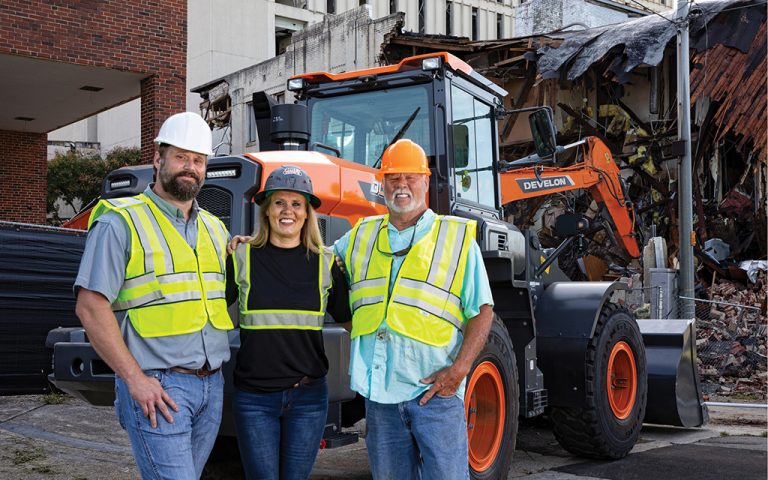
Machine Stable is an authorized distributor of the DEVELON brand under HD Hyundai.


How to Choose Used Construction Equipment: A Field Engineer’s Perspective
Buying used construction equipment can be a smart way to cut costs, but it’s never as simple as finding the cheapest machine. Over the last decade, I’ve visited countless sites, tested machines under real conditions, and advised project teams on purchasing strategies. One thing I’ve learned is that success in buying second-hand equipment comes from experience, patience, and careful evaluation.
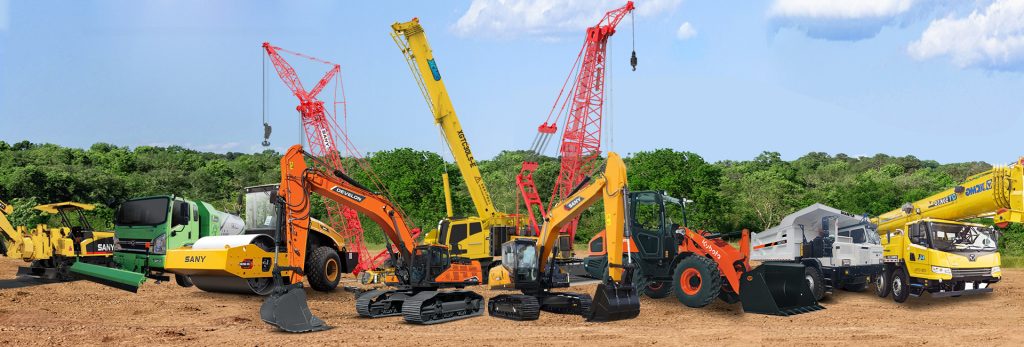
Understanding Your Project Needs
When I first arrive at a project site, I always ask: “What exactly do you need this machine to do?” Different projects require different equipment. For example:
- Large-scale earthmoving projects benefit from mid-to-large hydraulic excavators. On one job, we used a Komatsu PC200-8 to handle mixed soil and rock, and it reduced digging time by almost 20% compared to smaller machines.
- Road construction projects demand precision. Rollers and milling machines are essential for compaction and grading. I’ve seen contractors waste hours using the wrong size roller because they didn’t match the equipment to the site conditions.
- Smaller urban sites or landscaping projects often need skid-steers or compact loaders. These machines can maneuver in tight spaces, but overloading them can cause wear and tear quickly.
Budgeting extends beyond the purchase price. Transportation, initial maintenance, replacement of worn parts, and long-term upkeep must be considered. I remember evaluating two excavators: one from a certified dealer at $75,000, the other from a local market at $62,000. The cheaper machine required $15,000 in repairs immediately after delivery. Upfront savings quickly disappeared.
“Experience has taught me that the cheapest machine is rarely the most cost-effective.”
Navigating the Market
The used construction equipment market is diverse, and the channel you choose affects both cost and risk. I’ve learned that no single channel is perfect; each has advantages and trade-offs.
When I look for Used heavy equipment for sale, I consider:
- Traditional dealers or local markets: They offer a wide selection and local support, but I need to rely on my technical knowledge to assess machine condition.
- Used construction equipment auctions: Pricing is often transparent and competitive, but machines can’t always be tested extensively. One auction I attended had multiple bidders for a road roller. I had to rely on inspection reports and my own experience to make a decision.
- Certified used construction equipment: These machines come with verified maintenance history and reduced risk. The trade-off is a higher initial cost, but in my experience, it often saves money in the long term.
I recall sourcing a Used road construction equipment for sale through a certified channel. The hydraulic systems and tracks were verified, which saved significant repair costs. Platforms like thunderfirst.com now help match buyers and sellers efficiently, ensuring both safety and transparency.
Inspecting the Machine
Visual inspection is where experience makes the difference. I look for subtle cues that indicate previous damage or heavy use.
- Cabin and frame: Deformation, rust, or repainting may indicate past accidents. I once spotted a faint uneven weld along the frame of a used excavator—it was subtle, but enough to suggest a structural repair.
- Welds: Smooth and consistent welds are original; rough or uneven ones are repair signs.
- Tracks and tires: Worn edges, flattened tracks, or non-original parts suggest intensive previous use.
- Buckets and hydraulic hoses: Cracks, leaks, or worn teeth indicate machine stress.
Used construction equipment parts tell their own story. When I replaced worn pins on a loader, I could see how previous operators had stressed the machine. This informed my negotiation on price, since replacement parts reduce resale value.
“Sometimes a machine looks fine at a glance, but the details—pins, hoses, welds—reveal its true history.”
Checking Core Systems
The heart of any machine is its engine, hydraulics, and transmission. I approach these components with a combination of technical knowledge and hands-on testing:
- Engine: Start the machine and listen. A smooth idle is good; blue exhaust smoke indicates excessive oil burning; red smoke can mean cylinder head issues.
- Hydraulic system: Look for leaks and ensure levers respond correctly. Relief pressure should match manufacturer specifications.
- Transmission: Test low- and high-speed travel. Listen for grinding or vibration.
Example: Komatsu PC200-8
- Issue: Slow boom and arm movement
- Investigation: Relief pressure too low
- Solution: Adjust valves and replace worn components
- Outcome: Machine returned to normal performance, avoiding nearly $20,000 in potential repairs
Cross-referencing these findings with Used construction equipment valuation ensures that your offer is fair.
Operational Testing
I always test machines under realistic conditions. My process:
- Start the engine and check idle behavior
- Travel at low speed to test steering and traction
- Operate the boom and bucket through various motions
- Simulate a full-load operation to assess oil pressure, vibration, and noise
“A wheel loader once failed to maintain low-speed traction during testing. Adjusting the hydraulic system onsite prevented project delays and costly downtime.”
Testing also reveals the condition of Used construction equipment parts, which is often impossible to evaluate visually.
Negotiating Price
Price negotiation should factor in age, condition, brand, and market demand. Certified machines often cost more upfront but reduce long-term maintenance risk. Auctioned machines may offer bargains but carry higher inspection risk.
I usually compare multiple options, looking at Buy used construction equipment opportunities and factoring in total cost of ownership, not just purchase price. On one project, I avoided a “deal” on a cheaper excavator because worn hydraulics and track pins would have cost thousands more in the first six months.
Maintenance and After-Sales Support
Maintenance is critical. I recommend:
- Keeping detailed logs of hours, oil changes, and replaced parts
- Using high-quality Used construction equipment parts for repairs
- Scheduling hydraulic and engine inspections at least twice a year
“Early detection of pump wear on a certified excavator saved weeks of downtime and thousands in repair costs.”
Lessons from the Field
Case 1: Excavator Performance Issue
- Symptom: Slow single-action movement
- Diagnosis: Low hydraulic relief pressure
- Action: Valve adjustment and replacement of worn components
- Result: Avoided ~$20,000 in potential repairs
Case 2: Road Milling Machine
- Source: Certified channel
- Condition: Tracks and hydraulics in excellent shape
- Outcome: Maintenance costs 10% lower than similar open-market machines
These examples highlight the importance of inspection, hands-on testing, and market knowledge.
Platform Recommendation
For secure and efficient transactions, I recommend thunderfirst.com. Key benefits:
- Certified equipment listings
- Verified maintenance histories
- Safe and transparent transactions
- Efficient matching of buyers and sellers
“Using this platform allowed me to focus on selecting reliable machinery without worrying about market complexities.”