Machine Stable specializes in complete excavators, loaders and their attachments.













Analysis of Loader Muffler Backfiring Causes and On-Site Preventive Practices
Common Causes of Loader Muffler Backfiring: Real-World Field Insights
Working directly on construction sites for years, I’ve learned that backfiring isn’t just noise—it’s a warning. Almost always, it points to some underlying engine, fuel, or exhaust issue. Observing loaders under real workloads, I’ve picked up patterns that help prevent problems before they escalate.
How a Loader Muffler Works
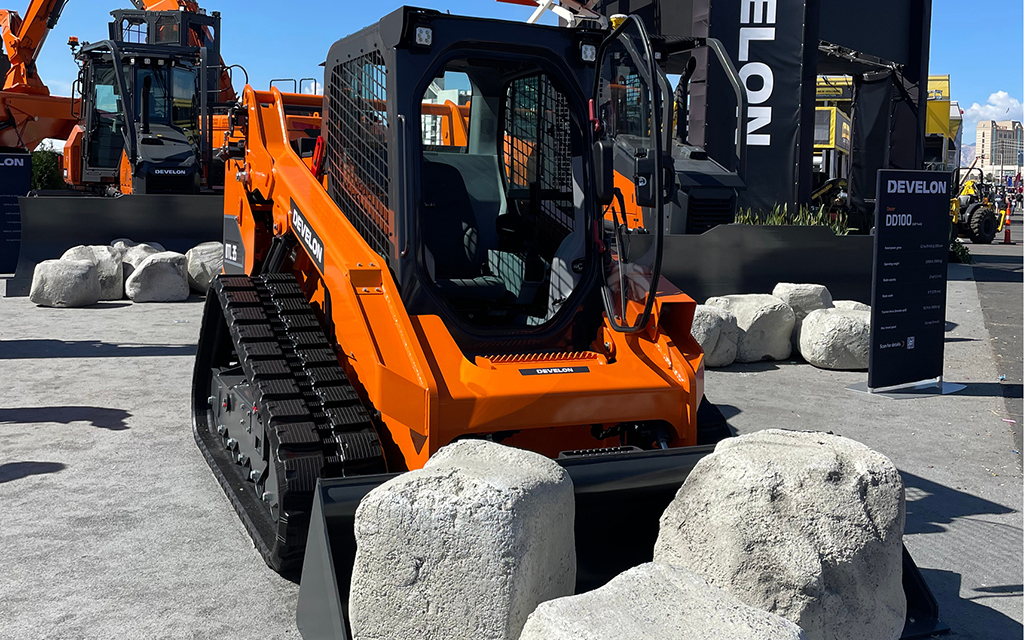
A loader muffler isn’t just a sound dampener—it’s a carefully designed component controlling both airflow and noise. When I examine a loader muffler in the field, I often notice subtle differences like perforation size, chamber shape, and baffle placement. These tiny details determine how efficiently the muffler absorbs high-frequency combustion noise.
One day, at a gravel pit, I saw a loader whose muffler had slight carbon buildup. The airflow was still smooth, but the acoustic path changed just enough that small backfires started appearing. It reminded me that even minor deposits can have noticeable effects.
Fuel System Glitches
Fuel system problems are the most common source of backfiring. In my experience with skid loader muffler systems, typical issues include slightly high carburetor float height, rich fuel mixtures caused by worn jets, and water or dirt in the fuel.
From my observations on dusty construction sites, an over-rich mixture can delay combustion. That unburned fuel ends up in the muffler and ignites, creating that sharp “pop.”
Field Tip:
- Check the carburetor float height before heavy operations
- Replace fuel filters regularly
- Adjust the main needle and idle according to the machine’s specifications
Even when everything looks fine, subtle variations in fuel flow can cause intermittent backfiring.
Electrical Factors
Electrical issues are often overlooked, yet they can trigger muffler backfiring in wheel loader muffler systems. I’ve come across spark plugs that were slightly fouled, ignition coils showing early wear, or distributor caps with hairline cracks.
During a port operation, I noticed a loader producing short bursts of backfire. Using a handheld inspection, I realized the ignition delay sent partially burned gases into the muffler. That tiny delay was enough to create audible backfire at medium speed. It’s always fascinating how small electrical misalignments can have such noticeable results.
Mechanical Wear and Tear
Mechanical problems are another frequent cause of backfire. Inspecting a quiet loader muffler recently, I found broken exhaust valve springs, eroded valve seats, and slightly compressed cylinder head gaskets.
On a dusty construction site, even minor gasket leaks amplified backfiring and produced visible black smoke. I often remind my team that mechanical wear is sneaky—it doesn’t always show until the engine is under real load.
Muffler and Exhaust Maintenance
Regular inspection is crucial. Here’s a checklist I use:
| Area | Focus | Recommended Action |
|---|---|---|
| Muffler chamber | Blockages or carbon deposits | Clean or replace |
| Exhaust pipe | Cracks or leaks | Repair or replace |
| Air filter | Dust accumulation | Clean or replace |
| Fuel system | Fuel mixture and contaminants | Adjust and clean |
I’ve also found that installing a 4 inch muffler for wheel loader in high-load zones can reduce exhaust resistance and minimize backfire risk.
Real-World Cases
Case Story: At a mining site, one loader’s exhaust backfired severely. Using a muffler noise under load meter, I noticed turbulence in the chamber. Adjusting the carburetor float immediately improved things.
Case Story: A skid loader had a DIY how to make muffler loader. Backfiring occurred repeatedly. Replacing it with a replacement muffler for skid loader solved the problem.
Case Story: On a wheel loader, persistent backfire was resolved after installing a walker muffler replacement for wheel loader. Exhaust flow improved and noise dropped noticeably.
Common Questions
- what is loader one muffler or two?
Typically, loaders have one muffler. Some high-load or modified machines use dual systems based on exhaust flow requirements.
Preventive Practices
From my experience, these steps make a difference:
- Regularly inspect the loader muffler and exhaust system
- Maintain proper fuel mixture and clean muffler chambers
- Use reliable replacement parts
- Keep a checklist combining visual inspection and load monitoring
I often tell my team, “Even small checks—like inspecting float height or cleaning carbon buildup—can prevent hours of troubleshooting later.” Proper maintenance reduces noise, extends engine life, and keeps operations safe.
Closing Thoughts
Backfiring usually results from a combination of fuel, electrical, and mechanical issues. Observing subtle signs on-site, combined with proper parts and routine maintenance, can prevent most problems. Every loader has its quirks, but with attention to detail, quiet and reliable operation is achievable.
From dusty quarries to port operations, I’ve learned that experience, careful inspection, and practical maintenance strategies make all the difference in preventing backfire.