Machine Stable is an authorized distributor of the DEVELON brand under HD Hyundai.


As anyone who works with wheel loader equipment knows, the job isn’t just about moving material around—it’s about doing so efficiently and safely. And one of the most critical parts of the machine, yet often overlooked, is the wheel loader tires. Tires face the brunt of the machine’s weight, taking on the forces of heavy loads and rough terrain. However, they can wear out quickly, leading to blowouts and other issues that can cause serious downtime.
Over the years, I’ve learned how to quickly replace wheel loader tires without sacrificing safety or efficiency. In this guide, I’ll walk you through my step-by-step process for replacing a wheel loader front tire and the essential tools you’ll need to get the job done right.
Why Do Wheel Loader Tires Fail?
Before diving into how to replace a tire, it’s important to understand the common causes of tire failure. Knowing this helps prevent future issues and can save you both time and money.
- Harsh Terrain: I’ve worked on many rocky and uneven surfaces, and I’ve seen firsthand how easily wheel loader tires get damaged. Sharp rocks, metal debris, and even glass can puncture a tire, leading to blowouts. The wheel loader rims can also get scratched or damaged if the tire isn’t properly removed, which only adds to the cost.
- Overloading: A major mistake is overloading the machine, which places unnecessary strain on the tires. If the loader is frequently overloaded, the wheel loader equipment can suffer, causing premature tire wear or even causing the tire to fail completely.
- Improper Tire Pressure: Another cause I’ve seen repeatedly is improper tire pressure. Whether the tires are overinflated or underinflated, both conditions put stress on the tire, leading to uneven wear. It’s essential to always check the tire pressure before each shift.
Tip: Regularly monitor the tire pressure. It’s one of the easiest ways to extend the lifespan of your wheel loader tires and keep operations running smoothly.
Tools You’ll Need for Quick Tire Replacement
Replacing a wheel loader tire is a process that requires the right tools. Here’s the list of essential equipment I use to get the job done quickly and safely:
- Wheel Loader Tire Replacement Tools: These are essential for safely prying the tire off the rim without causing damage to the tire or the wheel loader rims.
- Hydraulic Jacks: These are used to lift the wheel loader equipment off the ground, making it easier to work on the tires.
- Lifting Equipment: For heavier rear tires, I always make sure to have additional lifting equipment—whether it’s a hoist or another wheel loader—to support the machine safely during the replacement.
- Air Compressor: After the tire is mounted, I use the air compressor to ensure that it’s inflated to the correct pressure, as specified by the tire manufacturer.
- Wrenches and Locking Rings: These tools ensure that the tire is properly secured to the rim and won’t come loose during operation.
Step-by-Step Guide to Replacing the Front Tire
Replacing a wheel loader front tire can be done relatively quickly if you follow the right procedure. Here’s my process for getting the job done:
Step 1: Prepare the Loader
The first thing I do is park the loader on stable, level ground. This prevents the machine from tipping over while I work on it. Safety is always my number one priority, so I double-check everything before proceeding.
Step 2: Lift the Front End of the Loader
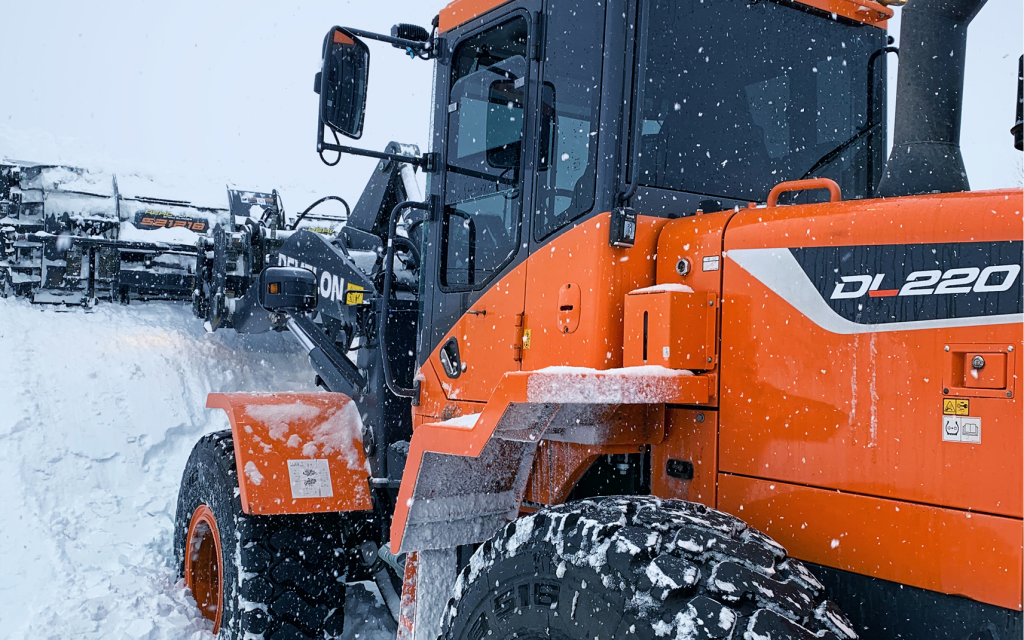
Next, I use the hydraulic system to raise the front end of the loader. This lifts the wheel loader front tires off the ground, making it easier to remove the damaged tire.
Step 3: Remove the Old Tire
Using wheel loader tire replacement tools, I carefully remove the locking rings that hold the tire in place. This step must be done gently to avoid damaging the wheel loader rims or the tire itself.
Step 4: Inspect the Tire for Damage
After the tire is removed, I carefully inspect both the inner and outer surfaces for punctures, cracks, or debris. If the damage is minimal, I might repair the tire, but if the damage is severe, I replace it entirely.
Step 5: Install the New Tire
Once I have the new tire, I carefully position it on the rim, ensuring it’s aligned properly. I install the locking rings to secure the tire, then double-check that the valve stem is positioned correctly.
Step 6: Inflate the Tire
Using the air compressor, I inflate the tire to the manufacturer’s recommended pressure. Proper tire inflation is essential for the wheel loader tire service to ensure optimal performance.
Replacing Rear Tires: What You Need to Know
Replacing rear tires requires a bit more work, mainly due to their heavier weight. Here are the extra steps I take when working on wheel loader rear tires:
- Use Lifting Equipment: Rear tires are much heavier than front tires, so I always use additional lifting equipment, like a hoist or another wheel loader, to safely lift the machine.
- Follow the Same Procedure: After lifting the rear of the loader, I follow the same steps as I would for the front tire: remove the old tire, inspect for damage, install the new tire, and inflate it to the correct pressure.
Speeding Up the Process
In a fast-paced work environment, time is valuable. Over the years, I’ve developed a few strategies to make tire replacement quicker without sacrificing safety or quality:
How to Get the Job Done Faster
- Mark the Tire Orientation: Before removing the old tire, I always mark the orientation of the tire on both the inner and outer surfaces. This simple step ensures I install the new tire correctly, preventing uneven wear.
- Use the Right Tools: Using high-quality tools, like wheel loader tire replacement tools, can save time and make the process more efficient.
- Check the Tire Pressure Twice: I always double-check the tire pressure before inflating the new tire. This ensures that I get it right the first time, saving me time later on.
Routine Maintenance for Wheel Loaders
Tire replacement is just one aspect of wheel loader maintenance. Regular maintenance can prevent problems down the road and keep your equipment running smoothly.
- Monitor Tire Pressure: Proper tire inflation is essential for reducing wear and tear and improving fuel efficiency.
- Inspect Tires Regularly: I make it a habit to inspect wheel loader tires after every major operation to catch small issues before they become larger problems.
- Check the Rims and Locking Rings: Every few months, I inspect the wheel loader rims and locking rings to ensure they are in good condition and free from damage.
Tip: Keeping a logbook of tire inspections and replacements is an excellent way to track the health of your tires over time.
Front vs. Rear Tire Replacement: A Comparison
| Step | Front Tire | Rear Tire |
|---|---|---|
| Tire Weight | Lighter, easier to handle | Heavier, requires more effort |
| Lifting Requirements | Hydraulic lift or jack | Additional lifting equipment may be needed |
| Time to Complete | Typically 45-60 minutes | A bit longer due to added weight |
| Complexity of Removal | Straightforward and simple | Requires extra caution and lifting support |
Conclusion
Replacing a wheel loader tire doesn’t have to be a complicated or time-consuming task. With the right tools and a systematic approach, I can replace a tire in under an hour, minimizing downtime. Regular wheel loader maintenance, proper tire inflation, and timely tire replacements will keep your loader running smoothly for years.