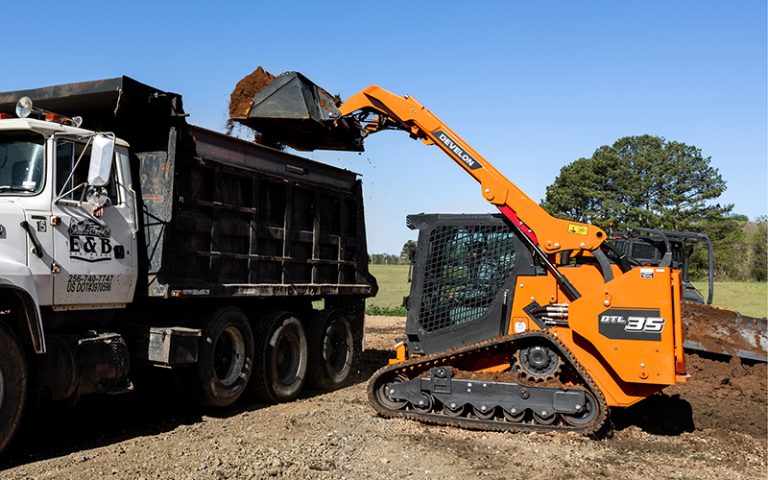
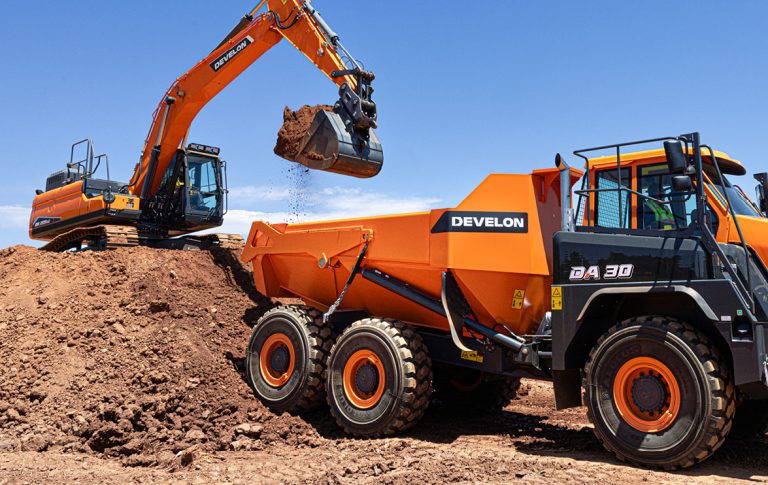
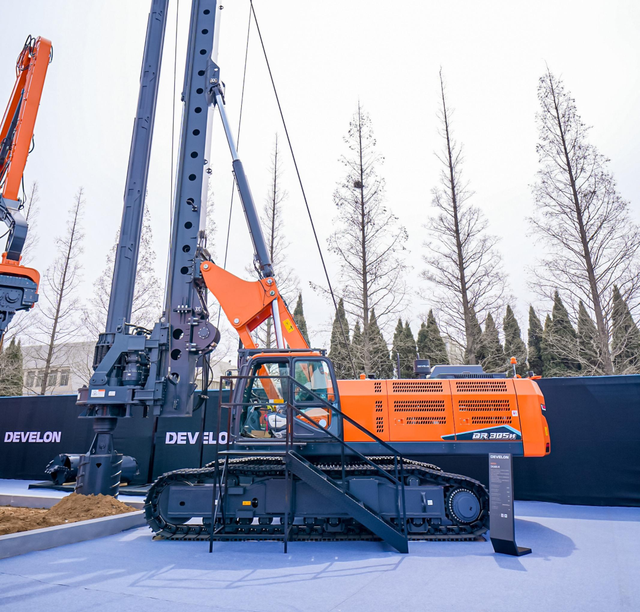
Machine Stable is an authorized distributor of the DEVELON brand under HD Hyundai.


Excavator Engine Speed Drop, Carbon Buildup, and Overheating: A Practical Field Guide from Real Jobsite Experience
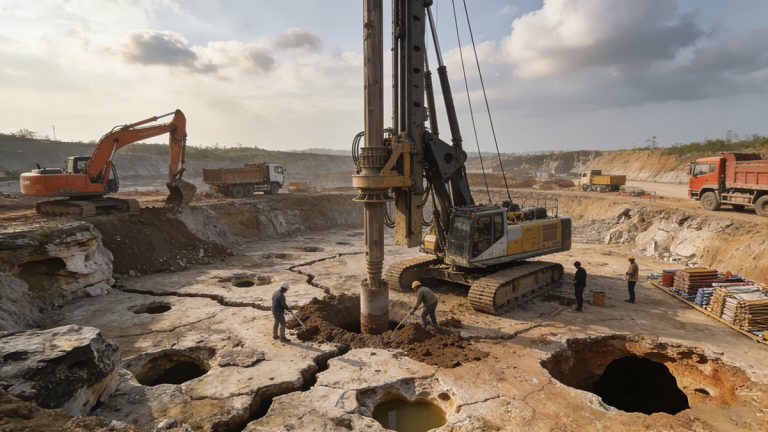
After more than ten years managing and maintaining construction equipment on active job sites, I have worked with machines operating under a wide range of conditions—earthmoving, municipal pipeline projects, foundation excavation, and mining environments. Across all these scenarios, the most common recurring issues are engine speed drop, power loss, excessive carbon buildup, and elevated engine temperature.
In many cases, operators and fleet managers immediately assume that the engine is worn out and requires a major overhaul. However, based on long-term field data and real maintenance cases, the majority of these problems are not caused by complete engine failure. Instead, they are typically the result of system mismatch, improper maintenance practices, and poor adaptation to actual operating conditions.
This article is based on first-hand field experience and focuses on practical diagnostics from the engine system, fuel system, hydraulic system, cooling system, and carbon formation mechanisms. The goal is to provide realistic, step-by-step guidance to reduce misdiagnosis and minimize unplanned downtime.
1. How to Accurately Define and Measure Engine Speed Drop in the Field
On a job site, engine speed drop should never be judged by feeling alone. It must be evaluated using measurable RPM changes under load.
From long-term monitoring across multiple machines, I use the following practical standards:
- Mild speed drop: RPM decrease within 200 rpm
- Moderate speed drop: RPM decrease between 200–300 rpm
- Severe speed drop: RPM decrease over 300 rpm, often approaching stall conditions
When an excavator engine shows sustained speed loss greater than 300 rpm under rated load, it almost always indicates a system-level fault that requires further investigation.
2. Hydraulic Load Is Often the Real Cause, Not the Engine Itself
In real-world cases, many speed drop complaints are not caused by engine power loss, but by abnormal hydraulic loading.
On one pipeline project with hard soil conditions, the machine ran normally at idle and light load. However, during digging, the engine speed dropped sharply. Final inspection showed delayed response in the main pump displacement control, keeping system load artificially high.
From an engineering standpoint, this is not a simple engine excavator power issue, but a load-matching failure between hydraulic demand and engine output.
Common contributing factors include:
- Slow main pump displacement response
- Sticking pressure compensation valves
- Load-sensing system malfunction
- Hydraulic filter restriction causing elevated pressure drop
3. Engine Oil Condition and Its Direct Impact on Power Output
In daily fleet management, many operators focus primarily on fuel quality and overlook the impact of oil condition.
Field comparisons show that when excavator engine oil experiences high-temperature shear and viscosity breakdown, cylinder wall sealing deteriorates. This reduces effective compression and leads to measurable power loss.
Typical symptoms include:
- More severe speed drop when hot
- Elevated oil temperature
- Acceptable cold performance but reduced hot performance
4. Oil Change Intervals and Long-Term Power Stability
Improper excavator engine oil change intervals are one of the most common causes of gradual, long-term power degradation.
Based on operating environment and load severity, my standard field guidelines are:
- High dust and heavy load: approximately every 250 hours
- Normal earthmoving: 300 to 350 hours
- High ambient temperature or continuous heavy load: shorten standard interval by approximately 20 percent
Consistent oil change control has proven to significantly reduce carbon buildup rate and slow long-term power decline.
5. Incorrect Oil Level Causes Hidden Performance Loss
Improper oil filling is frequently observed during inspections. In reality, oil level accuracy is critical to both power output and temperature control.
Excavator engine oil capacity should never be treated as “more is better.” Incorrect oil level directly affects performance.
| Oil Condition | Practical Consequences |
|---|---|
| Overfilled | Crankshaft oil churning, increased oil temperature, power loss |
| Underfilled | Insufficient lubrication, accelerated piston ring and liner wear |
| Correct level | Stable oil film, improved power output and temperature control |
In practice, the mid-range on the dipstick is the most reliable reference point.
6. Component Wear and Its System-Level Effect on Speed Drop
As operating hours accumulate, wear of excavator engine parts becomes unavoidable and directly impacts combustion efficiency.
Key components to monitor include:
- Injector nozzle wear
- Piston ring tension loss
- Valve sealing degradation
- High-pressure fuel pump plunger clearance increase
As these parts wear, common results include reduced atomization quality, incomplete combustion, gradual power loss, and accelerated carbon accumulation.
7. Using Structural Diagrams to Improve Diagnostic Accuracy
Rather than relying on experience alone, I strongly recommend using an excavator engine diagram to guide systematic troubleshooting.
Diagrams help quickly identify:
- Coolant circulation paths
- Critical lubrication points
- Intake and turbocharger airflow routing
- Fuel return line paths
This approach reduces unnecessary disassembly, improves first-time repair success, and lowers the risk of misdiagnosis.
8. Carbon Buildup: Real Mechanisms and Engineering Consequences
From repeated engine tear-downs, carbon buildup is clearly not caused by a single factor. It results from multiple overlapping operating conditions.
Primary sources include:
- Unavoidable micro-contaminants in fuel
- Fine dust entering through the intake system
- Wear debris from liners, valves, pistons, and piston rings
At high combustion temperatures, these materials carbonize and deposit on injector tips, piston ring grooves, and valve seats.
Long-term consequences include:
- Piston ring sticking and reduced compression
- Injector nozzle restriction and poor spray pattern
- Uneven valve loading and sealing degradation
9. Small Machines Are Not Immune to Speed Drop and Overheating
In practice, I have found that mini excavator engine units often face higher thermal stress under continuous heavy load.
Main reasons include:
- Smaller radiator surface area
- Lower cooling system redundancy
- Extended high-load operation in confined conditions
When cooling capacity becomes marginal, these machines frequently show rapid temperature rise, slow power recovery, and more pronounced speed drop.
10. Used Equipment Requires Higher Diagnostic Discipline
In fleet evaluations, used excavator engine units consistently show a higher probability of speed drop problems compared with new equipment.
Common risk areas include:
- Accumulated carbon deposits
- Increased internal leakage in main pumps
- Aging fuel injection systems
- Cooling system scaling and fouling
During used machine assessment, priority should be given to injector condition, pump efficiency, and radiator cleanliness—not just external appearance.
11. Engine Overheating as a Speed Drop Multiplier
In real jobsite cases, overheating significantly amplifies speed drop symptoms.
Common causes of reduced cooling efficiency include:
- Internal radiator scaling
- External fin blockage
- Fan belt slippage
- Thermostat malfunction
- Insufficient coolant volume or circulation
When cooling efficiency drops, the engine control system often reduces output to protect components, directly worsening speed drop.
Frequently Asked Questions (FAQ | High-Frequency Field Issues)
FAQ 1: If there is no black smoke during speed drop, does that mean the engine is fine?
No. Lack of black smoke does not guarantee normal engine operation. Speed drop without smoke may still be caused by:
- Excessive hydraulic load
- Delayed main pump displacement response
- Cooling system issues triggering power derating
- Reduced injection quality below visible smoke threshold
RPM, load pressure, oil temperature, and coolant temperature should be evaluated together.
FAQ 2: After replacing injectors, speed drop improved but not completely. Why?
This usually indicates a multi-system issue rather than a single fuel system fault.
Common contributing factors include:
- Internal leakage in the main pump
- Intake leaks or reduced boost efficiency
- Piston ring wear reducing compression
- Cooling system derating due to high temperature
Fuel system repair should always be followed by load and cooling system verification.
FAQ 3: Speed drop is much worse when hot but acceptable when cold. Where should I focus?
This pattern usually points to:
- Oil viscosity loss at high temperature
- Increased blow-by from worn piston rings
- Insufficient cooling system capacity
- Reduced fuel system stability under heat
These are typically long-term wear and thermal management issues.
FAQ 4: When speed drop is accompanied by high coolant temperature, what should be repaired first?
In field practice, the cooling system should be addressed first.
Reasons include:
- Cooling issues can trigger power derating
- High temperature accelerates oil degradation
- Overheating magnifies existing power deficiencies
In many cases, radiator cleaning, belt repair, or thermostat replacement significantly improves performance without engine disassembly.
FAQ 5: Does severe carbon buildup always require a full engine overhaul?
Not necessarily.
Based on severity:
- Mild to moderate carbon: fuel system service and intake cleaning may help
- Moderate to heavy carbon: injector inspection and compression testing recommended
- Severe carbon with major power loss: internal inspection of rings and valves may be required
Many machines can regain acceptable performance through system-level maintenance before full overhaul is necessary.
FAQ 6: How can I tell whether speed drop is caused by the engine or by the hydraulic system?
Use comparative load logic:
- Normal at no load, severe drop under load: likely hydraulic system issue
- Weak both at no load and under load: likely engine output problem
- Speed drop worsens with high temperature: likely cooling or derating issue
- Large RPM fluctuation with abnormal load pressure: likely hydraulic mismatch
This method is far more efficient than immediately disassembling the engine.
Practical Summary: Solving Speed Drop Requires a System Approach
Based on long-term field experience, one conclusion is clear:
Speed drop does not automatically mean engine failure.
In most cases, speed drop results from combined effects of the engine system, hydraulic load, cooling efficiency, maintenance condition, and load matching.
Key strengths of this approach include:
- Based on real jobsite maintenance experience
- Focused on system-level diagnosis rather than single components
- Provides practical inspection and maintenance logic
- Applicable to both new and high-hour machines
- Helps reduce unnecessary major overhauls and downtime
With systematic inspection and disciplined maintenance, most excavator speed drop, carbon buildup, and overheating issues can be identified early and controlled effectively, significantly improving machine availability and jobsite productivity.