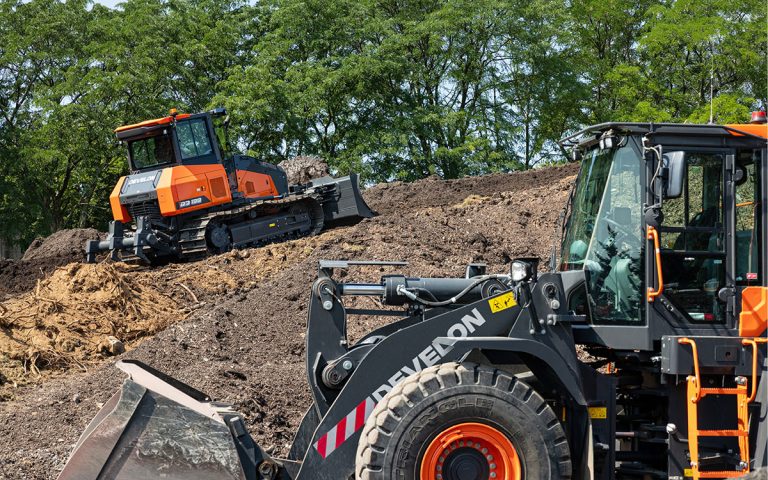
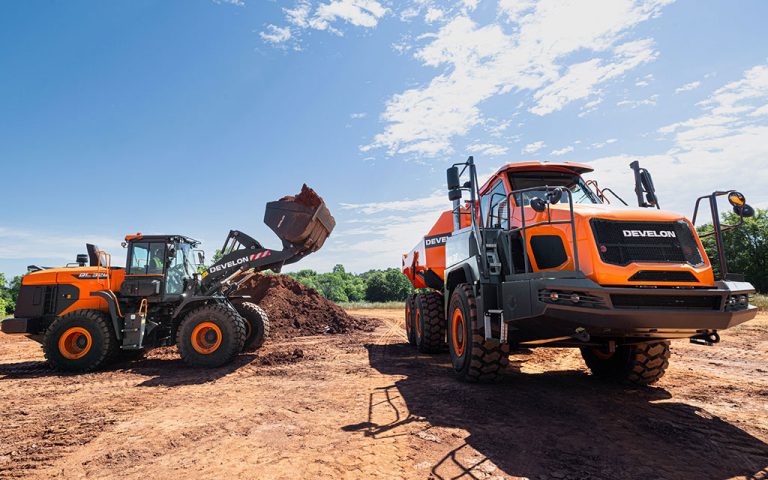
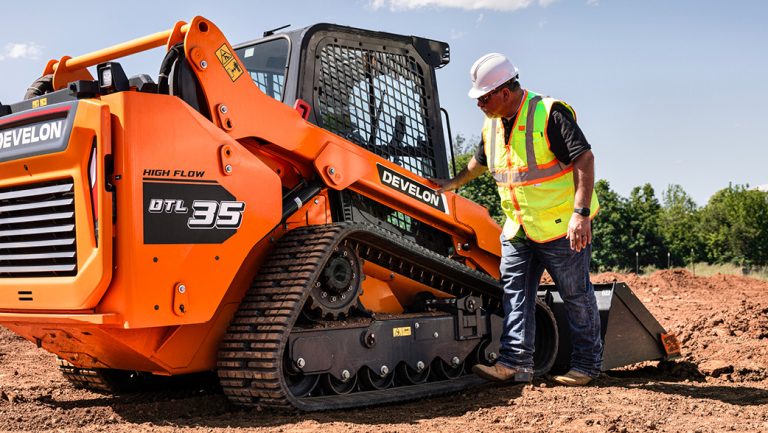
Machine Stable is an authorized distributor of the DEVELON brand under HD Hyundai.


Excavator Long Arm: Practical Insights from Field Experience
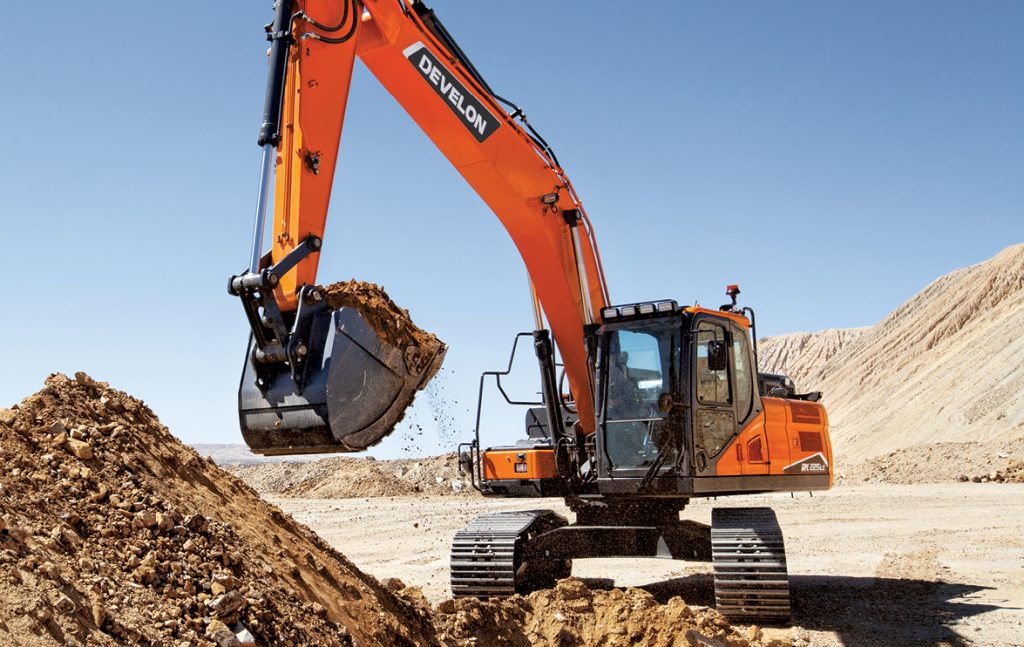
When I first started managing construction sites, I thought an excavator’s main job was simply digging soil. Over time, I realized these machines are highly versatile, and adding a long arm transforms them completely. The excavator long arm allows machines to handle tasks that were previously impossible, especially in high-rise, deep excavation, or river dredging projects.
For standard excavators, the operational radius is roughly 10 meters. This works well for general earthworks, but when we needed to reach elevated areas or distant trenches, standard arms became limiting. Installing a long arm increased reach up to 18–40 meters, letting us work safely and efficiently while reducing the need for scaffolds or auxiliary machinery.
Why Long Arm Excavators Are a Game-Changer
From my experience, long arm excavators bring several advantages:
- They extend reach, so we don’t have to move the machine repeatedly.
- They improve safety, keeping operators away from dangerous slopes or deep pits.
- They increase efficiency, allowing us to complete complex tasks faster.
- They adapt to multiple attachments, such as hydraulic breakers, grabs, or buckets.
For example, during a river sediment removal project, our team used a long arm mini excavator. The extended reach let us clear sediment at an 18-meter depth. Using a standard excavator would have required extra platforms and significantly more time.
Types of Long Arm Excavators and Where They Excel
Urban and Narrow Sites
When working in tight city streets, we relied on long arm mini excavators. Their compact size and long reach made it possible to complete drainage maintenance and small-scale demolition without additional scaffolding. In these cases, mobility and precision are more important than raw power.
Deep Excavation and Industrial Work
For high-rise demolitions or deep foundation projects, excavator long reach arm machines are essential. Their reinforced structure handles high torque and hydraulic pressure, enabling us to safely perform large-span excavation or levee construction. One project in particular involved dismantling a 12-story building layer by layer, and the extended reach allowed materials to be lowered directly to the ground, reducing labor costs and the need for cranes.
Retrofit Solutions
Sometimes, we retrofitted existing standard excavators with a long arm. This approach, known as excavator with long arm, provides temporary or periodic long-reach capability without purchasing a new machine. It’s a cost-effective strategy for projects that don’t require permanent long-arm deployment.
Second-Hand Equipment
In several short-term projects, buying a long arm excavator for sale proved economical. These machines, properly maintained, met project demands without straining the budget. This is especially useful for contractors handling seasonal or small-scale assignments.
Technical Considerations
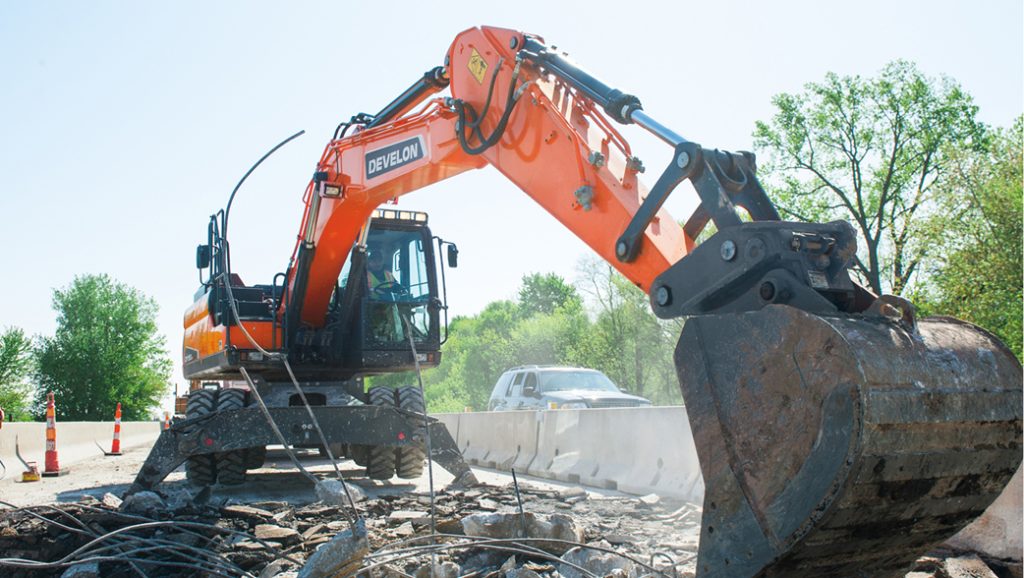
Understanding long arm excavator specifications is critical before deployment. In one case, we needed an arm length of 35 meters to reach a deep trench safely. Other parameters to consider include hydraulic pressure, counterweight, chassis stability, and operational weight.
| Parameter | Standard Excavator | Long Arm Excavator | Observations |
|---|---|---|---|
| Arm Length | 10–12 m | 18–40 m | Longer arms slightly reduce lifting capacity |
| Maximum Reach | 12 m | 42 m | Includes boom and stick |
| Hydraulic Pressure | 25 MPa | 28–35 MPa | Ensures tip stability |
| Operational Weight | 15–25 tons | 25–60 tons | Counterweight adjustments improve stability |
| Ideal Use | Small earthworks, residential | High-rise, deep excavation, rivers | Choose based on project |
In practice, long arm excavator length directly affects both safety and efficiency. Selecting the right reach is always a balance between site constraints and machine capability.
Real-World Applications
Narrow Urban Sites
On city street projects, the mini excavator long arm allowed us to operate over obstacles and reach confined areas. This minimized the need for additional scaffolds, speeding up project timelines and reducing risk.
High-Rise Demolition
With excavator long reach arm, we dismantled upper floors safely. Materials were lowered in layers, reducing labor and crane use. This method increased precision while maintaining safety standards.
River Dredging and Deep Excavation
For riverbed sediment removal, a long excavator arm kept operators away from water hazards. The reach allowed precise sediment extraction, improving both efficiency and safety.
Retrofitted and Second-Hand Machines
- Retrofitting standard excavators with excavator with long arm provided flexibility for intermittent long-reach projects.
- Purchasing long arm excavator for sale allowed us to meet temporary project needs while saving on investment costs.
Operational Tips
Operating long arm excavators requires attention to detail:
- Monitor hydraulic pressure regularly to avoid overloading.
- Balance loads by adjusting counterweights according to arm extension.
- Ensure flat ground; sometimes we place steel or timber plates for added stability.
- Move slowly at full extension; lateral forces increase at maximum reach.
- Daily inspections of boom pins, cylinders, and hydraulic lines prevent failures.
Following these practices ensures both safety and equipment longevity.
Efficiency and Cost Benefits
Using a long arm excavator significantly improved our workflow:
- Fewer machines were needed on site.
- Project timelines were shortened.
- Labor and equipment costs decreased.
- Safety in high-elevation or deep excavation tasks was enhanced.
In one 35-meter-high demolition project, using a long arm excavator reduced construction time by roughly 40% compared to standard equipment.
Conclusion
Long arm excavators make previously impossible tasks achievable. Whether it’s excavator long reach arm for deep excavation or mini excavator long arm in confined urban spaces, these machines improve efficiency, safety, and operational flexibility. Retrofitting or purchasing second-hand units allows companies to meet diverse project needs economically. Long arm excavators are not just equipment upgrades—they are essential tools for modern construction optimization.