Machine Stable specializes in complete excavators, loaders and their attachments.













Wheel Loader Drive Shaft Operation and Maintenance Guide
Introduction
The drive shaft of a loader is the critical link that transfers engine torque from the transmission to the drive wheels. It ensures stable performance even under demanding conditions such as heavy loading, uneven terrain, and frequent start-stop cycles. In different machines, like a wheel loader drive shaft or a compact track loader drive shaft, designers account for torque capacity, axial extension, and dynamic balance to prevent premature wear and vibration issues.
Project Insight: During a mineral handling operation in Australia, engineers observed minor vibration in the universal joint of a wheel loader while transporting ore. By realigning the slip sleeve and implementing seasonal lubrication, vibration decreased, and operational efficiency improved roughly 12% over a month of continuous operation.
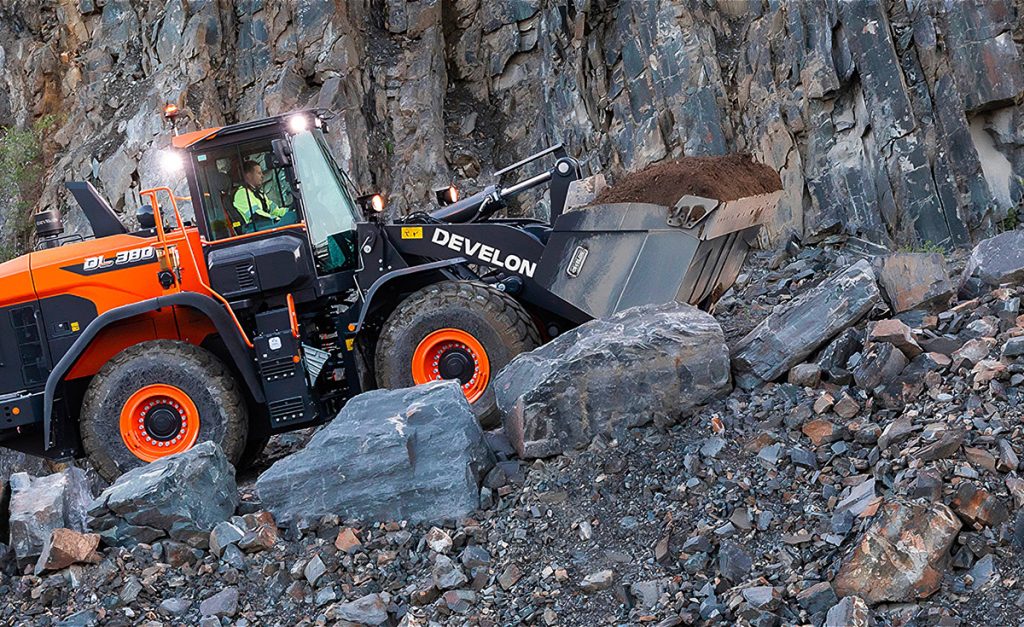
1.1 Key Components
· Universal Joint: Transfers torque smoothly while absorbing shocks caused by angular changes.
· Slip Sleeve: Allows axial movement and maintains consistent torque transmission.
· Hanger and Bearings: Provide shaft support, maintain balance, and reduce wear.
· Flange Yoke: Ensures the shaft remains aligned with the axle under load.
2. Load Characteristics of Drive Shafts
· Torque Load: The engine’s torque is delivered to the wheels to meet heavy lifting or hauling demands.
· Axial Load (Axial Load Drive Shaft): Occurs when pushing, climbing, or hitting obstacles, placing longitudinal stress on the shaft.
· Lateral Load: Generated during turning or moving over uneven surfaces.
Operational Feedback: A construction equipment rental firm in North America reported accelerated cross-bearing wear on tracked loaders. Installing a drive shaft load cell and applying a seasonal lubrication schedule extended the bearing life by approximately five months.
Continuous high-load operation can also increase drive shaft vibration under load, which may lead to faster fatigue of joints and bearings if left unchecked.
2.1 Vibration Monitoring and Fatigue Prevention
· Vibration may occur due to loss of dynamic balance.
· Loose connections or misalignment of slip sleeves or flange yokes.
· Excessive axial or lateral loads beyond design specifications.
Measurement Tip: Use accelerometers to monitor shaft vibration under different loads. Components exceeding 7 mm/s RMS should be inspected and adjusted to prevent long-term damage.
3. Recommended Operating Practices
· Avoid starting in high-speed gears: Sudden torque spikes raise loads on a drive shaft and stress universal joints.
· Prevent rapid clutch engagement or disengagement: Reduces axial impact, protecting the axial load drive shaft.
· Do not overload or overspeed the machine: Maintain operational loads within manufacturer specifications to reduce fatigue risk.
No example is included here to keep instructions concise and practical.
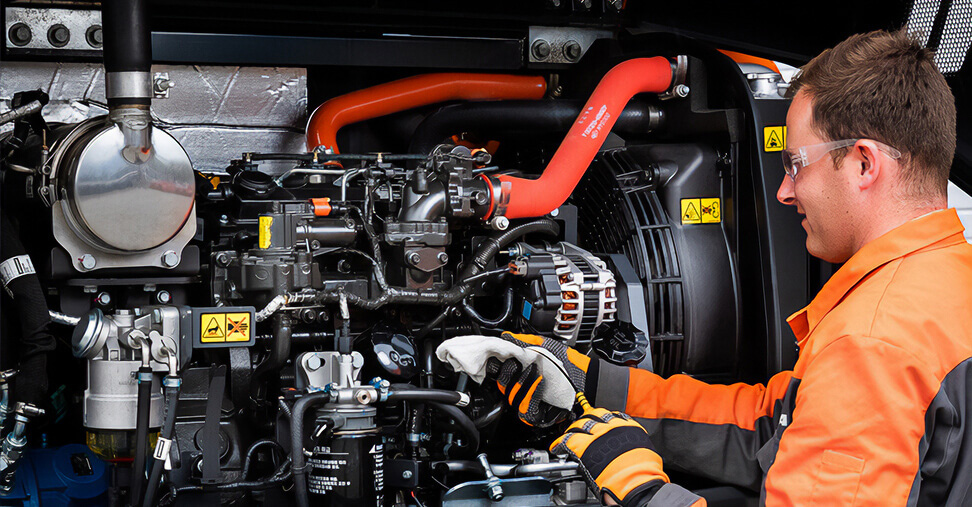
4. Inspection and Maintenance
· Check hangers, fasteners, and rubber supports for damage or looseness.
· Inspect all coupling points for clearance or deformation.
· Align slip sleeve and flange yoke markings during any disassembly or reassembly.
Case Insight: In a European landscaping project, technicians marked the slip sleeve and flange yoke during initial assembly. This practice preserved original alignment, reducing drive shaft vibration under load by about 18% in follow-up operations.
4.1 Lubrication Guidelines
· Universal joint cross bearings require seasonal lubrication:
– Summer: #3 lithium-based grease
– Winter: #2 lithium-based grease
· Using a drive shaft load cell can help monitor torque and detect lubrication issues early.
4.2 Maintaining Dynamic Balance
· Newly installed shafts, including wheel loader drive shaft and compact track loader drive shaft, must be checked for dynamic balance.
· Regularly inspect and adjust shafts exhibiting excessive vibration to prevent fatigue and maintain performance.
5. Special Drive Shaft Types
· Belt drive shaft load: Mainly for auxiliary power. Regularly inspect belt tension and wear under heavy-load conditions.
· Spring loaded drive shaft: Absorbs shock, reducing stress on universal joints and bearings.
· Out drive PTO shaft for loader: Powers auxiliary equipment. Inspect connection points and lubrication to ensure reliable torque transmission.
Technical description only; no project example added.
6. Maintenance Reference Table
| Equipment Type | Inspection Item | Issue | Solution | Outcome |
|---|---|---|---|---|
| Tracked Loader | Universal Joint | Bearing wear | Lubricated and replaced worn parts | Vibration decreased ~20% |
| Wheel Loader | Slip Sleeve | Misalignment | Realigned and balanced | Torque fluctuations reduced 15% |
| Wheel Loader | PTO Output Shaft | Insufficient lubrication | Seasonal greasing | Service life extended ~6 months |
Implementing these measures keeps drive shaft loading within safe limits, reduces fatigue, and improves operational reliability.
7. Summary
The loader drive shaft is essential for reliable torque transmission. By monitoring loads, controlling vibration, maintaining alignment, and applying correct lubrication, operators can significantly extend shaft life and reduce maintenance issues.
Key Points:
· Load Management: Keep loads on a drive shaft within recommended limits.
· Assembly Alignment: Maintain slip sleeve and flange yoke alignment to reduce drive shaft vibration under load.
· Lubrication Practices: Seasonal greasing of universal joints and cross bearings ensures smooth operation.
· Special Shaft Types: Regular inspection for spring loaded drive shaft, belt drive shaft load, and out drive PTO shaft for loader maintains reliability.
Operational Insight: Across projects in North America, Australia, and Europe, following structured maintenance and monitoring protocols extended drive shaft life by 20%-30% while significantly reducing failure incidents.