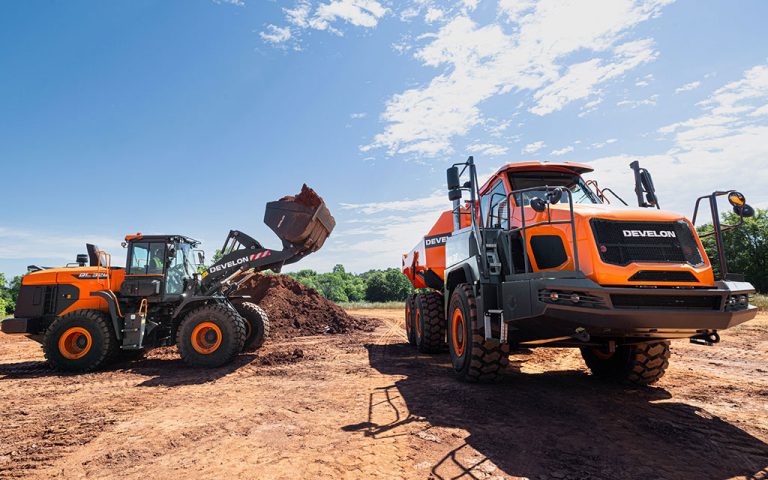
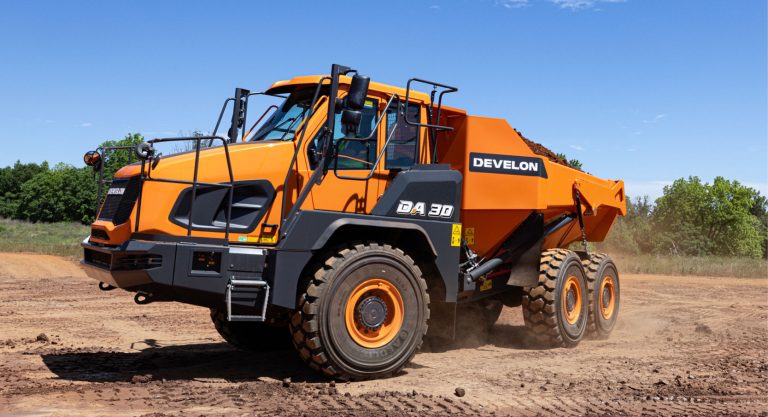
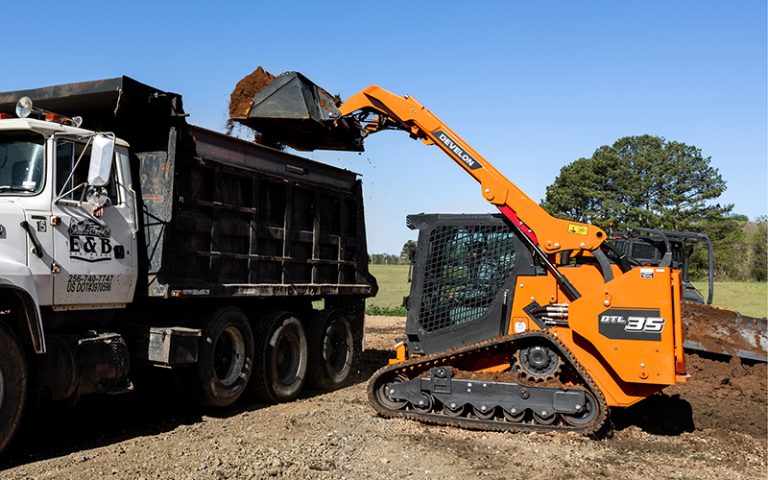
Machine Stable is an authorized distributor of the DEVELON brand under HD Hyundai.


Overview of Wheel Loader Cranes
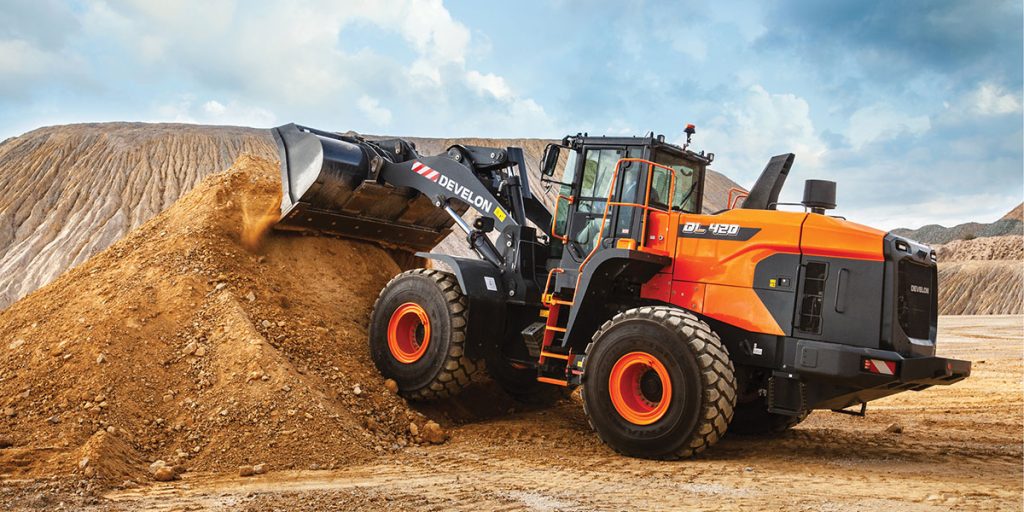
In modern construction sites, loading crane has become an essential multifunctional machine. It not only handles material transport but also enables precise lifting in confined spaces. Based on years of on-site experience, each wheel loader crane under standard load can complete approximately 50–70 lifting tasks per day, greatly improving site efficiency.
“Even a small error in crane operation can lead to catastrophic results.”
A famous example is the Mecca Crane Collapse (Saudi Arabia, 2015), where a crane toppled due to strong winds, killing 111 people and injuring nearly 400. Although not a wheel loader crane, it highlights why every lift requires proper load assessment and monitoring from the very beginning.
Operating Principles and Preparation
When operating a truck loader crane, the hydraulic system drives boom extension while the control console adjusts angle and height to achieve precise material handling. Before any operation, I recommend 2–3 empty-load test runs to ensure responsiveness and hydraulic stability.
Key pre-operation inspections include:
- Engine condition: fuel, coolant, engine oil
- Hydraulic system: pressure, temperature, leaks
- Boom and hook: wire rope wear, secure connections
- Safety devices: load sensors, alarms
Following these checks reduces equipment failure and ensures operator safety.
Lifting Operation Procedure
The lifting process is straightforward but must be executed meticulously. A typical workflow includes:
- Positioning: Move the crane to the designated area, clear obstacles, and deploy outriggers.
- Boom Adjustment: Set the boom length according to the load weight and inspect hook/wire rope condition.
- Hooking and Lifting: Attach the load slowly, maintain balance, and monitor side loading crane lateral forces.
- Moving and Placement: Transport the load carefully, lower it precisely, retract the boom, and shut down the system.
Using a vehicle loading crane with proper procedures can reduce lifting accidents by approximately 70%.
Wheel Loader Types and Selection
Different projects require different crane types. Typical classifications:
| Type | Features | Suitable Scenarios |
|---|---|---|
| small loading cranes | Compact, flexible | Tight spaces, small construction sites |
| large loading cranes | High load, long boom | Large construction sites, heavy material handling |
| truck loader crane | Truck-mounted, mobile | Transport-integrated operations |
Choosing the correct type improves efficiency and reduces operational risk.
Load Control and Monitoring
Understanding crane load capacity is critical. Load depends on boom length, angle, and hydraulic pressure. Always use a crane load monitoring system to ensure safe operation.
For example, the Thailand High-Speed Rail Crane Collapse (2026) involved a crane toppling onto a passenger train, killing 32 people. Investigations revealed improper load distribution and insufficient monitoring. This illustrates the importance of continuous load checks and adherence to manufacturer specifications.
Preventing Side Loading
Side loading is a common hazard. Following how to prevent crane side loading procedures helps mitigate risks. Core measures include:
- Level and stable ground with outriggers deployed
- Proper boom angle for vertical load alignment
- Avoid sudden movements or lifting beyond rated capacity
- Regular maintenance of boom and hydraulic cylinders
The Rama II Road Crane Collapse (Thailand, 2024) demonstrates why side-loading and high-position lifts near public roads are dangerous, causing 6 fatalities. Environmental awareness and procedural discipline are key.
Load Chart and Operational Techniques
Correctly interpreting the load chart is essential for safety:
- Check weight rating based on boom length and angle
- Measure radius from boom to load center
- Verify hydraulic support
- Record operation logs
Applying these steps ensures safe and efficient loading cranes operations. Occasionally using a simple numbered list helps operators remember critical steps without breaking the natural flow of the text.
Practical Case Study
In a warehouse project, small loading cranes were used to lift steel beams onto high racks.
- Total weight: 3 tons
- Boom length: 5 meters
- Load monitoring showed stable pressure; lift was smooth
Following standard procedures, no swaying or imbalance occurred, demonstrating the value of professional operation and real-time monitoring.
Summary and Lead Generation
This article covered wheel loader crane operation, type selection, load control, and safety measures. Key points:
- Professional operation: Step-by-step adherence to safety checks
- Safety assurance: Side-load prevention and monitoring systems reduce accidents
- Efficiency: Appropriate type selection and proper operation
- Data-driven management: Load monitoring and logging enable informed decision-making
Mastering wheel loader crane operations improves project efficiency and safety. Future articles will continue sharing professional construction equipment practices to ensure high productivity and safety.